

Signs Your Commercial HVAC System Is Costing You More Than It Should
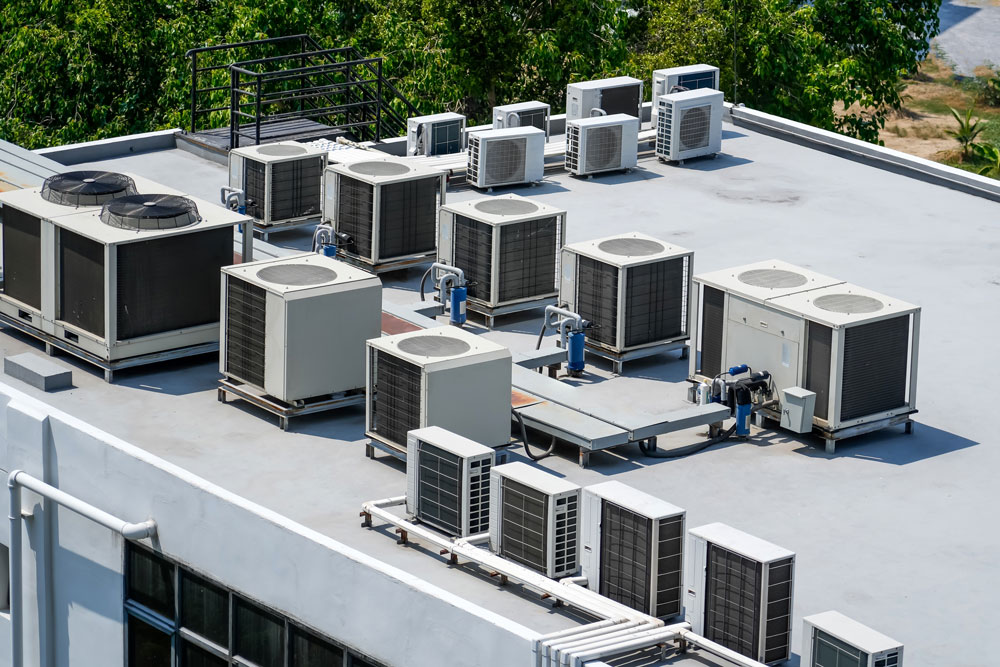
A commercial heating and cooling system plays a central role in building comfort, employee productivity, and long term operational efficiency. When the system starts to decline in performance, the signs are not always obvious at first. Small issues can slip under the radar until utility bills spike or comfort complaints become routine. By the time many building owners realize something is wrong, the financial losses have already become substantial. Excessive energy use, frequent service calls, premature equipment wear, and inconsistent indoor temperatures often point to deeper HVAC system inefficiency that needs prompt attention.
Understanding how to recognize these early indicators can help any business reduce costs while protecting its long term investment. When identified in time, simple commercial HVAC repair services can restore proper function. In more severe cases, a commercial HVAC replacement may provide greater value through dramatic efficiency gains and lower lifetime operating expenses. The challenge is learning how to spot the warning signs before the damage becomes irreversible. The following sections walk through the most common indications that a commercial HVAC system may be costing far more than it should.
Rising Utility Bills With No Clear Explanation
One of the clearest signs of an inefficient HVAC system is an unexplained increase in monthly energy bills. When energy consumption rises while usage patterns remain the same, the heating or cooling equipment is often working harder than necessary. This increased workload may stem from aging components, clogged coils, leaking ductwork, poor airflow, or outdated technology that cannot meet modern efficiency standards. Even small drops in performance can drive significant cost increases over time.
Energy costs tend to rise slowly, so building operators may overlook these early warning signs. A gradual upward trend in utility spending often indicates that the system is compensating for inefficiencies by running longer cycles or cycling on and off more frequently. When this happens, the equipment expends extra energy just to maintain baseline comfort. Eventually, the problem grows to a level where comfort declines despite higher energy usage.
Many businesses assume rising bills are unavoidable, yet an expert providing HVAC service for businesses can often pinpoint the exact source of wasted energy. A simple tune up or targeted repair may reduce consumption substantially. If the system has reached the end of its useful life, a commercial HVAC replacement can eliminate the ongoing financial drain by delivering modern performance that meets current efficiency expectations.
Frequent HVAC Repairs and Service Calls
Another clear sign that a commercial HVAC system is costing more than it should is the need for frequent repairs. While occasional maintenance is normal, repeated service calls suggest underlying issues that will continue to worsen. As components age, they lose efficiency, break down more easily, and place stress on other parts of the system. What begins as a minor inconvenience often becomes a recurring operational cost.
These continual repairs do more than disrupt business operations. They also consume time, money, and resources. Each visit from a technician adds to the overall cost of ownership, and chronic failures often indicate the system is reaching the end of its lifecycle. At a certain point, investing in another commercial HVAC repair provides only temporary relief.
In many cases, businesses discover that replacement is more cost effective than continuing to fix an outdated or failing system. Older HVAC units were not designed with modern efficiency standards in mind and cannot compete with newer technologies that deliver superior airflow control, energy savings, and reliability. A commercial HVAC replacement eliminates the pattern of reactive repairs and allows businesses to budget more predictably for ongoing maintenance.
Inconsistent Indoor Temperatures and Comfort Complaints
A healthy commercial heating and cooling system should maintain consistent temperatures throughout the building. When hot and cold spots emerge, employees may begin submitting comfort complaints, and productivity can decline. Temperature inconsistencies often reveal that the HVAC system is struggling to distribute conditioned air properly.
Several factors can contribute to uneven temperatures. These may include dirty filters, blocked ducts, worn motors, or outdated control systems that cannot properly regulate airflow. Poor system balance forces the HVAC unit to work harder to reach set temperatures, which increases operational costs and accelerates wear and tear. Over time, the system becomes less responsive and less efficient.
Ignoring these comfort issues can lead to significant financial consequences. Employees may adjust thermostats frequently, which causes the system to cycle more often and consume additional energy. Customers or tenants may view discomfort as a reflection of poor facility management. Whether the issue requires routine HVAC service for businesses, targeted repairs, or a full system replacement, addressing comfort problems promptly protects both the workforce and the bottom line.
Excessive Noise or Unusual System Behavior
Commercial HVAC equipment naturally produces some noise, but sudden changes in volume, frequency, or operational patterns typically signal an emerging problem. Rattling, buzzing, grinding, or whistling sounds often point to loose components, worn belts, damaged fans, or airflow blockages. While a business may be tempted to ignore unusual sounds, they are often early indicators of HVAC system inefficiency that will soon lead to higher energy usage or system failure.
In addition to noise, other unusual behaviors may occur. Short cycling, slow start up, visible moisture buildup, or unusual odors often suggest that the system is working under stress. When mechanical components strain to compensate for inefficiencies, they consume more electricity and degrade more quickly. This can lead to expensive repairs and premature equipment replacement if not addressed early.
Professional diagnostics can help identify whether the problem is minor or symptomatic of a deeper issue. In many cases, timely commercial HVAC repair services can restore normal function. However, if the system continues to operate inefficiently even after repairs, a commercial HVAC replacement may offer a more effective long term solution. Businesses that respond promptly to these early signs often avoid significant financial loss.
The System Is Old and No Longer Meets Efficiency Standards
All mechanical systems eventually reach the end of their useful lifespan. As commercial HVAC systems age, their efficiency declines steadily, even with regular maintenance. Older units often lack modern controls, variable speed technology, and smart energy management features. They also require more frequent repairs and consume more energy to achieve the same results as newer alternatives.
When an HVAC system is more than a decade old, it becomes especially important to evaluate its performance and financial impact. Increased operating costs, reduced reliability, and declining comfort are common among aging systems. Many advanced commercial heating and cooling technologies available today can significantly reduce utility expenses and improve indoor air quality. These improvements contribute directly to a healthier work environment and lower total cost of ownership.
Performing a cost comparison between ongoing repairs and the investment required for a new system can reveal the tipping point where replacement is more economical. Modern equipment is designed with higher efficiency ratings and improved durability, which often translates into faster payback through reduced energy consumption.
Conclusion
A commercial HVAC system has a direct impact on operating expenses, energy consumption, productivity, and overall comfort within the building. When early warning signs appear, such as rising utility costs, frequent repairs, uneven temperatures, unusual noises, or the effects of aging equipment, it is important to take action promptly. Addressing HVAC system inefficiency early can prevent escalating costs and unnecessary disruptions.
Whether the solution involves routine HVAC service for businesses, targeted commercial HVAC repair, or a complete commercial HVAC replacement, staying proactive protects the long term value of the system and ensures a better indoor environment. With the right attention and strategic planning, businesses can maintain dependable performance, lower their monthly expenses, and support the well being of everyone who uses the building.
Need HVAC & Plumbing Services Near You?
Established in 1987, B & H Mechanical, Inc. is a contracting company located in Las Cruces, New Mexico. The services we provide include plumbing, air conditioning, and heating repair and maintenance throughout the states of New Mexico and Texas. As a licensed company with over 30 years of experience, we uphold knowledge, quality, and performance as the backbones of our company. Contact us today for your contracting needs!