

Beat the Desert Heat: How Las Cruces Businesses Can Optimize Commercial HVAC Efficiency This Summer
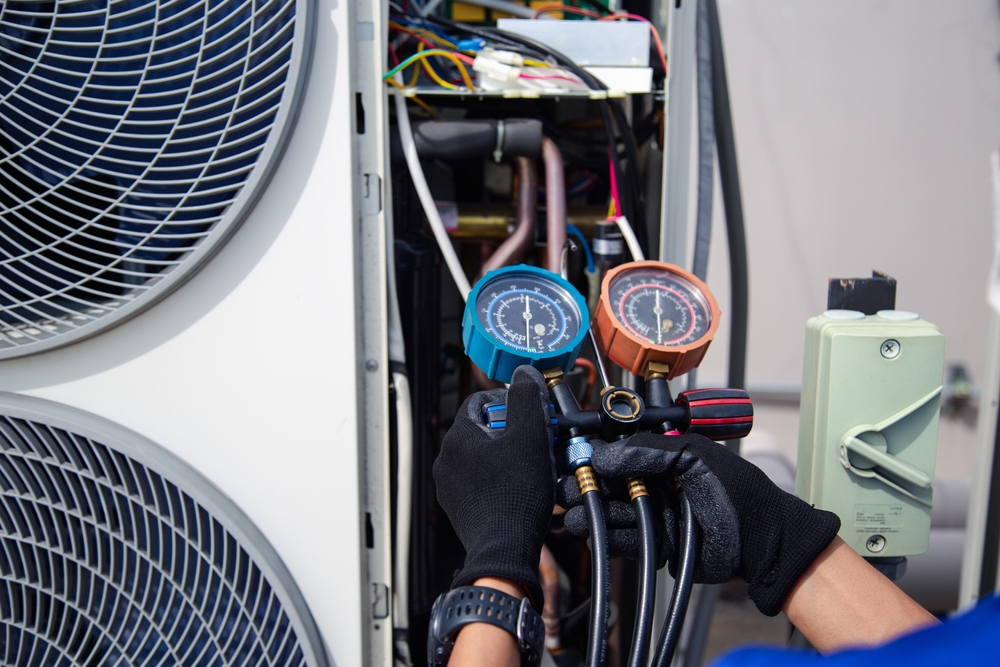
When summer settles over southern New Mexico, business owners know what comes next. Triple digit temperatures, relentless sunshine, and heavy air conditioning demand can push commercial HVAC systems to their limits. A small drop in performance can quickly become an expensive interruption that affects employees, customers, and your bottom line.
Commercial HVAC efficiency is not just about staying comfortable. In the Chihuahuan Desert, it is one of the smartest ways to control operating costs and reduce the risk of unexpected breakdowns during the busiest months of the year.
Keeping Commercial HVAC Systems Efficient During the Las Cruces Summer
Commercial HVAC efficiency in Las Cruces depends on proactive maintenance, system optimization, and addressing small performance issues before they become costly failures. Businesses that prepare before peak summer heat typically experience lower energy consumption, fewer emergency repairs, and more consistent indoor comfort throughout the cooling season.
What Area Business Owners Should Know
- Commercial HVAC efficiency in Las Cruces starts with preventive maintenance before the hottest part of summer arrives.
- The extreme Chihuahuan Desert climate forces cooling systems to work longer and harder than in many other regions.
- Dirty coils, clogged filters, and neglected equipment often lead to higher utility bills and unnecessary wear.
- Investing in professional optimization today can help reduce commercial energy bills in New Mexico while lowering the risk of costly downtime.
Why the Desert Climate Changes Everything
Businesses across Doña Ana County operate under some of the toughest cooling conditions in the Southwest. Extended periods of intense sunshine, low humidity, dust, and prolonged high temperatures create constant stress on commercial HVAC equipment.
Properties near Interstate 10, downtown Las Cruces, New Mexico State University, Sonoma Ranch, and the Mesilla area all experience the same seasonal challenge. Cooling systems rarely receive extended breaks during the summer, making routine maintenance far more valuable than many business owners realize.
At B & H Mechanical Inc., we view HVAC maintenance as more than equipment service. We help businesses protect operating budgets by reducing unnecessary energy consumption and minimizing the chance of expensive emergency failures during peak cooling season.
Businesses that optimize their commercial HVAC systems before summer typically experience improved energy efficiency, fewer unexpected service interruptions, and better indoor comfort. Preventive maintenance also extends equipment life by reducing unnecessary strain during periods of extreme heat.
Local Cooling Conditions Every Business Should Understand
- The Chihuahuan Desert produces prolonged high temperatures that increase daily HVAC operating hours.
- Dust accumulation is common throughout Doña Ana County and can reduce airflow and system efficiency.
- Commercial buildings with large glass storefronts often experience greater afternoon cooling demand.
- Restaurants, retail stores, offices, and medical facilities all rely on consistent indoor temperatures to maintain normal operations.
- Cooling failures during peak summer often require emergency service when demand across the region is highest.
If you want to improve your building’s performance before temperatures peak, now is the ideal time to evaluate your commercial HVAC system.
Local Data and Seasonal Conditions
Commercial cooling demand reaches its highest levels during the summer months when southern New Mexico experiences prolonged periods of extreme heat. According to the National Weather Service, Las Cruces regularly experiences summer temperatures well above 100 degrees, placing continuous demand on commercial air conditioning equipment.
In our experience serving local businesses, the highest operating costs often result from gradual efficiency loss rather than sudden equipment failure. Dirty components, aging electrical parts, and reduced airflow can quietly increase utility costs for months before owners recognize the problem.
Why HVAC Efficiency Directly Affects Your Bottom Line
Commercial HVAC efficiency directly impacts operating expenses because inefficient systems consume more electricity while providing less cooling. Every additional hour your equipment runs unnecessarily contributes to higher utility bills and accelerates equipment wear.
For many businesses, an unexpected cooling failure means more than repair costs. It can disrupt operations, reduce employee productivity, create uncomfortable customer experiences, and even threaten temperature-sensitive inventory.
What We See Most Often in the Field
Our technicians frequently find that many commercial systems are still capable of performing well after relatively minor adjustments and maintenance.
Common improvements include:
- Cleaning condenser and evaporator coils
- Replacing clogged air filters
- Verifying refrigerant charge
- Calibrating thermostats
- Inspecting belts, motors, and electrical connections
- Optimizing airflow throughout the building
These relatively small investments often prevent much larger repair bills later in the season.
Warning Signs Your Commercial HVAC System Is Losing Efficiency
Commercial HVAC systems usually provide warning signs before major failures occur.
Watch for:
- Rising monthly utility bills without increased occupancy
- Hot and cold spots throughout the building
- Equipment running continuously
- Poor airflow from supply vents
- Longer cooling cycles
- Frequent service calls
- Unusual noises or vibrations
- Employees or customers frequently complaining about indoor temperatures
Ignoring these warning signs often leads to larger repairs and more expensive downtime.
When Professional Service Makes Financial Sense
Professional service becomes worthwhile when your system begins losing efficiency, requires repeated repairs, or struggles to maintain indoor temperatures during hot afternoons. Preventive inspections often identify developing problems before they affect business operations.
While changing filters may be handled by maintenance staff, refrigerant diagnostics, electrical inspections, airflow balancing, and performance optimization require experienced commercial HVAC professionals.
The Most Common Causes of Poor HVAC Efficiency in Southern New Mexico
Commercial HVAC efficiency declines most often because desert conditions accelerate equipment wear.
The most common causes include:
- Dust buildup restricting airflow
- Dirty condenser coils reducing heat transfer
- Deferred maintenance
- Aging electrical components
- Incorrect refrigerant levels
- Poor thermostat calibration
- Continuous operation during extended heat waves
These issues become especially noticeable during the hottest weeks of summer.
How Businesses Can Improve HVAC Efficiency
Improving commercial HVAC efficiency starts with regular maintenance before temperatures reach their seasonal peak.
Business owners should:
- Replace filters regularly.
- Keep outdoor equipment clean.
- Schedule professional inspections before summer.
- Address small repairs immediately.
- Monitor energy usage for unusual increases.
- Upgrade aging controls when appropriate.
Preventive care costs significantly less than emergency repairs during peak cooling season.
What Results Should You Expect?
Well-maintained commercial HVAC systems generally provide more consistent cooling, improved comfort, reduced operating costs, and fewer unexpected breakdowns.
Although every building is different, optimization typically improves system reliability while helping reduce commercial energy bills in New Mexico over time.
Expert Insight
In the Chihuahuan Desert, the most expensive HVAC problems often begin as inexpensive maintenance issues. Addressing efficiency early helps businesses avoid emergency service when cooling demand is at its highest.
Common Mistakes Business Owners Make
Waiting until the first major breakdown is one of the most expensive decisions a business can make.
Other common mistakes include:
- Skipping seasonal maintenance
- Ignoring gradual increases in utility costs
- Delaying small repairs
- Assuming uneven temperatures are normal
- Waiting until peak summer to schedule service
A Common Local Scenario
Imagine a retail business near downtown Las Cruces entering July with steadily increasing utility bills. Employees notice uneven cooling, but operations continue as usual.
During an extended heat wave, the system finally fails during business hours. After inspection, technicians discover dirty coils, restricted airflow, and worn electrical components that could have been corrected weeks earlier during preventive maintenance. The business experiences emergency repair costs, operational disruption, and lost productivity that far exceed the cost of routine service.
Services That Help Prevent Summer Breakdowns
Commercial HVAC maintenance, system inspections, efficiency testing, and Las Cruces commercial AC repair all play important roles in keeping businesses operating reliably through the hottest months.
Our goal is not simply repairing broken equipment. We work with business owners to identify opportunities that improve efficiency, lower operating costs, and reduce the likelihood of emergency downtime.
Comparing Reactive Repairs and Preventive Maintenance
Reactive repairs address problems only after equipment fails.
Preventive maintenance identifies developing issues before they interrupt business operations. For many commercial properties, proactive service produces lower long-term operating costs while improving equipment reliability throughout the cooling season.
Proudly Serving Businesses Throughout the Region
We proudly serve commercial customers throughout Las Cruces, Mesilla, Doña Ana County, and surrounding southern New Mexico communities. Our familiarity with local climate conditions allows us to recommend maintenance strategies that reflect the unique demands of the region.
The Cost of Waiting
Delaying HVAC maintenance often leads to higher energy bills, accelerated equipment wear, emergency repair costs, and avoidable business interruptions.
In an environment where cooling is essential every day, even minor efficiency losses can have a measurable impact on operating expenses.
Frequently Asked Questions
How can commercial HVAC efficiency reduce operating costs?
Improving commercial HVAC efficiency reduces wasted energy and helps equipment operate with less strain. Lower energy consumption often translates into reduced monthly utility expenses.
How often should commercial HVAC systems be serviced in Las Cruces?
Most commercial systems benefit from professional inspections at least twice each year, especially before summer and before winter heating season.
Why does the desert climate affect HVAC equipment so much?
Dust, prolonged heat, and continuous operation increase wear on components and reduce cooling performance if systems are not maintained regularly.
Is preventive maintenance less expensive than emergency repair?
In many situations, yes. Preventive maintenance allows technicians to identify developing problems before they become major equipment failures.
Can older commercial HVAC systems still be efficient?
Many older systems continue operating effectively when properly maintained. A professional evaluation can determine whether optimization or replacement makes better financial sense.
What industries benefit most from commercial HVAC maintenance?
Retail stores, restaurants, offices, healthcare facilities, warehouses, schools, and nearly every commercial property depend on reliable cooling to support daily operations.
Businesses throughout southern New Mexico face cooling challenges that demand proactive planning. We understand how the local climate affects commercial HVAC systems because we work with these conditions every day. Helping our customers improve efficiency today is one of the best ways to avoid costly surprises tomorrow.
Protect Your Business Before Peak Summer Arrives
Preventive maintenance is an investment in lower operating costs, improved reliability, and greater peace of mind.