

Preventing Commercial Plumbing Disasters: A Checklist for Las Cruces Property Managers
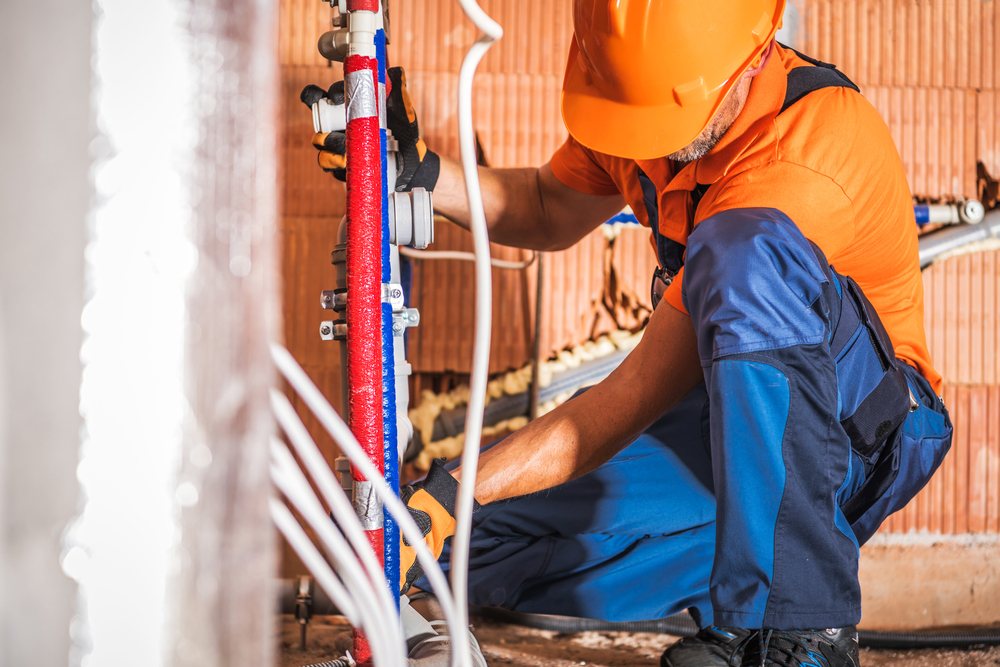
A plumbing problem can turn from a minor maintenance issue into a major disruption when it affects an occupied office, retail space, restaurant, apartment community, or other commercial property. In Las Cruces, property managers also have to account for intense heat, mineral-rich water, seasonal temperature changes, and the demands placed on plumbing systems serving multiple occupants.
The best way to prevent commercial plumbing disasters is to combine routine inspections, preventive maintenance, fast attention to warning signs, and clear emergency procedures. Property managers should regularly check visible pipes, drains, fixtures, water heaters, shutoff valves, and high-use plumbing areas. Keeping maintenance records and knowing when to bring in a plumbing professional can also help reduce unexpected downtime and water damage.
What local property managers should know
-
Commercial plumbing problems often provide warning signs such as slow drains, unexplained water use, recurring clogs, low water pressure, moisture, or unusual sounds before a larger failure occurs.
-
Southern New Mexico’s mineral-rich water can contribute to scale accumulation in fixtures, valves, water heaters, and other plumbing components.
-
Properties near Downtown Las Cruces, the Mesilla Valley, and established commercial corridors may have plumbing systems with very different ages, materials, and maintenance histories.
-
High-use restrooms, kitchens, break rooms, and tenant spaces should receive more frequent attention than lightly used plumbing areas.
-
Every property manager should know where critical water shutoff valves are located before an emergency happens.
Why Does Preventive Plumbing Maintenance Matter in Las Cruces?
Preventive plumbing maintenance matters in Las Cruces because commercial systems must handle local water conditions, heavy daily use, hot weather, and the consequences of unexpected business interruption. Catching deterioration early can give property managers more options for scheduling repairs instead of responding after water is already damaging floors, walls, inventory, or tenant spaces.
Commercial properties throughout Doña Ana County range from older buildings to newer developments, and plumbing risks can differ significantly between them. A property near New Mexico State University may experience different usage patterns than a warehouse, medical office, restaurant, or retail building along a major commercial corridor.
B & H Mechanical Inc. helps area property owners and managers address plumbing needs before small problems become larger disruptions. We encourage a preventive approach built around inspection, maintenance, documentation, and timely professional service.
What Should Property Managers Look for During Routine Plumbing Checks?
Routine plumbing checks should focus on visible leaks, drainage performance, fixture condition, water pressure changes, moisture, corrosion, and equipment that no longer operates normally. A consistent inspection routine makes it easier to notice changes that might otherwise blend into the daily operation of a busy commercial property.
Commercial plumbing maintenance checklist
-
Inspect exposed pipes and fittings for moisture, corrosion, staining, or active dripping.
-
Check under sinks and around toilets for water, damaged seals, or persistent dampness.
-
Test faucets and fixtures for proper flow and complete shutoff.
-
Watch for toilets that run continuously or refill unexpectedly.
-
Confirm that sinks and floor drains empty at their normal speed.
-
Investigate recurring drain odors rather than simply masking them.
-
Check mechanical and utility areas for water stains or unexplained moisture.
-
Review water use for unexplained changes when reliable usage information is available.
-
Confirm that important water shutoff valves are accessible and clearly identified.
-
Keep plumbing service and repair records for the property.
For multi-tenant properties, managers can also establish a simple reporting process so occupants know whom to contact when they notice dripping fixtures, drainage problems, or water where it should not be.
What Plumbing Warning Signs Should Never Be Ignored?
Plumbing warning signs that should not be ignored include recurring clogs, falling water pressure, unexplained moisture, unusual pipe sounds, persistent odors, discolored water, and unexpectedly high water use. These symptoms do not automatically indicate a plumbing disaster, but they can justify further investigation before conditions worsen.
Pay particular attention to:
-
Recurring backups in the same sink, toilet, or floor drain
-
Water stains on ceilings, walls, cabinets, or flooring
-
Damp areas near plumbing walls or mechanical spaces
-
Sudden or gradual changes in water pressure
-
Toilets that frequently clog, run, or fail to flush correctly
-
Unusual banging, dripping, or running-water sounds
-
Persistent sewer or drain odors
-
Water use that changes without an obvious operational reason
In a busy Las Cruces commercial building, staff may work around minor plumbing problems for weeks. Creating a formal reporting process can prevent those warning signs from disappearing into everyday operations.
What Common Local Conditions Can Contribute to Commercial Plumbing Problems?
Common local conditions that can contribute to plumbing problems include mineral buildup, high fixture use, aging components, outdoor heat exposure, and seasonal cold snaps. The specific cause varies by property, so managers should avoid assuming that every slow drain, leak, or pressure problem has the same solution.
Mineral accumulation: Southern New Mexico water conditions can leave scale on fixtures and inside plumbing equipment over time. Regular inspection helps managers identify visible buildup and changes in performance.
High usage: Restaurants, offices, schools, apartment communities, and retail properties may place significant daily demand on restrooms, drains, faucets, and water-heating equipment.
Aging components: Older properties in established parts of the Mesilla Valley may contain plumbing components installed or modified at different times. Maintenance history matters when evaluating recurring problems.
Outdoor exposure: Pipes, irrigation connections, hose bibbs, and other exposed components can face intense sun and heat during southern New Mexico summers.
Cold weather: Although the region is known for heat, freezing conditions can still occur. Exposed or vulnerable piping deserves attention before colder nights arrive.
When Should a Property Manager Call a Commercial Plumbing Professional?
A property manager should call a commercial plumbing professional when a leak cannot be quickly isolated, drainage problems keep returning, water pressure changes significantly, multiple fixtures are affected, or the source of moisture is unclear. Active flooding, sewage backup, or a suspected concealed leak warrants especially prompt attention.
Safe routine monitoring can include checking visible fixtures, documenting symptoms, noting which areas are affected, and identifying whether a shutoff is accessible. Property staff should not open walls, dismantle unfamiliar equipment, or attempt repairs that exceed their training.
For commercial properties in Las Cruces, documenting when a problem began and which tenants or fixtures are affected can also help a technician narrow down the issue more efficiently.
How Can Property Managers Reduce the Risk of Emergency Plumbing Calls?
Property managers can reduce emergency plumbing risk by scheduling preventive inspections, responding quickly to recurring symptoms, maintaining accessible shutoffs, and preparing staff for plumbing incidents. Preventive maintenance cannot eliminate every unexpected failure, but it can reduce the chance that a known warning sign is overlooked until significant damage occurs.
A practical seasonal schedule can include checking exposed plumbing before colder weather, inspecting outdoor components after periods of extreme heat, and reviewing high-use drains and fixtures throughout the year.
Managers should also keep mechanical rooms and plumbing access points clear. During a leak, losing time because a shutoff valve is blocked by storage can make an already difficult situation worse.
What Mistakes Can Turn a Small Plumbing Problem Into a Bigger One?
The most damaging maintenance mistakes are repeatedly treating symptoms, delaying investigation, and failing to document recurring plumbing issues. These habits can allow an underlying problem to continue until the property experiences more extensive damage or disruption.
Mistake: Repeatedly clearing the same drain without investigating why it clogs.
Consequence: A recurring drainage problem may continue and eventually cause a backup.
Better approach: Track repeat incidents and arrange further evaluation when the pattern persists.
Mistake: Ignoring small leaks because they are not disrupting tenants.
Consequence: Moisture can affect nearby building materials and increase repair scope.
Better approach: Identify and address the source early.
Mistake: Waiting until an emergency to locate shutoffs.
Consequence: Staff may lose valuable time during active water release.
Better approach: Identify, label, and keep critical valves accessible.
Mistake: Treating every tenant complaint as an isolated event.
Consequence: Managers can miss patterns across multiple fixtures or suites.
Better approach: Maintain a property-wide plumbing maintenance log.
What Does a Common Local Commercial Plumbing Scenario Look Like?
A common local scenario is a multi-tenant property where one recurring plumbing complaint initially appears minor but eventually begins affecting other fixtures. A slow restroom drain, intermittent pressure complaint, or small leak may be reported several times before management recognizes a larger pattern.
Rather than repeatedly addressing only the immediate symptom, the better approach is to review previous maintenance records, identify every affected area, and have the system evaluated when recurring problems suggest a broader issue.
This is a general scenario, not a B & H Mechanical Inc. case study.
Which Plumbing Services Can Help Prevent Larger Problems?
Commercial plumbing inspection, maintenance, drain service, leak diagnosis, fixture repair, and appropriate system repairs can help property managers address developing problems before they create broader disruption. The right service depends on the symptoms, plumbing configuration, building use, and condition of the affected components.
Our role is to help determine what is happening, explain the available service options, and address plumbing needs appropriately for the property.
Should Property Managers Use DIY Maintenance or Professional Service?
Property managers should use routine visual checks and documentation for basic monitoring, while leaving diagnosis and significant plumbing repairs to qualified professionals. The dividing line should be based on staff training, safety, system complexity, and the potential consequences of an incorrect repair.
Facility staff can report leaks, monitor drains, inspect accessible areas, and identify shutoff locations. Professional evaluation becomes more appropriate when problems recur, multiple fixtures are affected, concealed piping may be involved, or a repair requires specialized tools or plumbing knowledge.
What Areas Can Local Commercial Plumbing Service Cover?
Commercial plumbing needs are not limited to central Las Cruces. Properties throughout the surrounding Mesilla Valley and nearby Doña Ana County communities can face similar issues related to water conditions, building use, aging components, and seasonal weather.
Property managers should confirm current service availability for their specific address when requesting an appointment.
What Can Happen If Commercial Plumbing Problems Are Left Unresolved?
Unresolved commercial plumbing problems can lead to water damage, sanitation concerns, tenant complaints, interrupted operations, damaged finishes, and a larger repair scope. The exact consequences depend on the type and location of the failure, but delaying a recurring or active problem generally reduces a manager’s ability to control when and how repairs occur.
That is especially important for restaurants, retail properties, offices, and multi-tenant buildings where restroom or water availability can directly affect normal operations.
Frequently Asked Questions About Commercial Plumbing in Las Cruces
How often should a commercial property in Las Cruces have its plumbing checked?
The appropriate inspection frequency depends on the property’s age, use, plumbing condition, maintenance history, and number of occupants. High-use facilities may benefit from more frequent checks than lightly occupied buildings. Property managers should combine regular staff observations with professional inspections based on recurring issues and the needs of the specific system.
Does hard or mineral-rich water affect commercial plumbing in Las Cruces?
Mineral-rich water can contribute to visible scale and deposits on plumbing fixtures and equipment over time. Property managers should watch for buildup, reduced fixture performance, and maintenance needs. The effect varies by equipment and system design, so recurring performance changes should be evaluated rather than attributed automatically to water quality.
What should Las Cruces property managers do first during a major plumbing leak?
The first priority is to protect people and limit water release when this can be done safely. Follow the property’s emergency procedures, use the appropriate known shutoff if trained to do so, protect occupants from affected areas, and contact professional plumbing service. Avoid entering areas where water creates an electrical or structural hazard.
Are commercial drain problems common in high-use properties?
High-use commercial drains can experience recurring problems because they handle more frequent use and, depending on the business, materials that should not enter the drainage system. Restaurants, offices, multi-tenant buildings, and other busy facilities should treat repeat clogs as a maintenance pattern that deserves investigation rather than relying indefinitely on temporary clearing.
Can Las Cruces commercial properties have frozen pipes?
Yes, vulnerable pipes can be exposed to freezing temperatures during cold weather even though southern New Mexico is known for a warm, dry climate. Outdoor and poorly protected plumbing deserves attention before colder nights. Property managers should identify vulnerable areas in advance rather than waiting for a freeze-related plumbing problem.
What records should a Doña Ana County property manager keep for plumbing maintenance?
Property managers should keep records of inspections, reported symptoms, repair dates, affected fixtures or suites, service performed, and recurring issues. A clear history can reveal patterns that individual work orders may miss. It also gives maintenance personnel and plumbing professionals useful context when diagnosing a problem that has occurred more than once.
When is a slow drain more than a minor maintenance problem?
A slow drain becomes more concerning when the problem repeatedly returns, affects several fixtures, produces odors or backups, or no longer responds normally after appropriate maintenance. In a commercial property, repeated drain symptoms should be documented so managers can determine whether the problem is isolated or part of a broader drainage issue.
How can property managers prepare for plumbing emergencies?
Property managers can prepare by identifying critical shutoffs, keeping access areas clear, maintaining current emergency contacts, documenting plumbing layouts when available, and training appropriate staff on reporting procedures. Preparation is particularly valuable in multi-tenant properties, where quickly identifying the affected area can help reduce disruption while professional service is arranged.
Protect Your Property From Avoidable Plumbing Disruptions
Preventive plumbing management gives local property managers a better chance to identify trouble while there is still time to plan the response. We can help evaluate recurring problems, maintenance concerns, and commercial plumbing needs throughout the area.