Commercial buildings in Las Cruces operate under conditions that can expose weaknesses in HVAC and plumbing systems quickly. Triple-digit summer heat, airborne desert dust, seasonal thunderstorms, heavy cooling demand, and mineral-bearing groundwater can all affect equipment performance and maintenance schedules.
For facility managers, optimization is less about reacting to the next breakdown and more about identifying the components most vulnerable to local conditions before they interrupt operations.
Quick answer: Commercial HVAC and plumbing systems in Las Cruces perform best when maintenance accounts for extreme cooling loads, dust accumulation, changing seasonal conditions, water-system demands, and the specific operating needs of the facility. Facility managers should prioritize airflow, heat rejection, controls, drainage, plumbing fixtures, water-heating equipment, backflow protection, and early detection of leaks or abnormal equipment performance.
What local facility managers should know
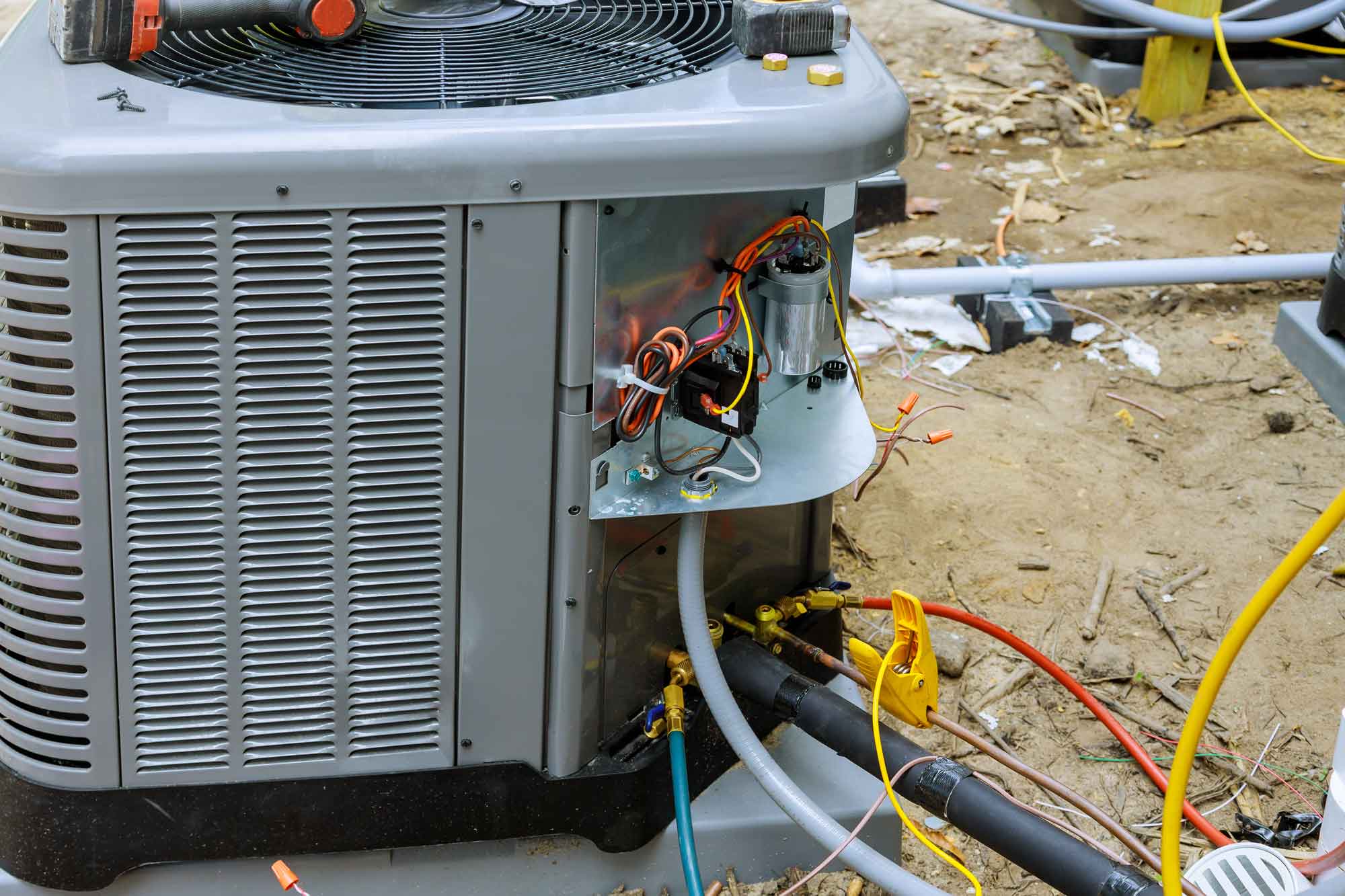
Commercial cooling equipment needs particular attention during the long periods of high temperatures common across the Mesilla Valley.
Dust and debris can interfere with filters, coils, outdoor equipment, and airflow, making inspection frequency especially important in southern New Mexico.
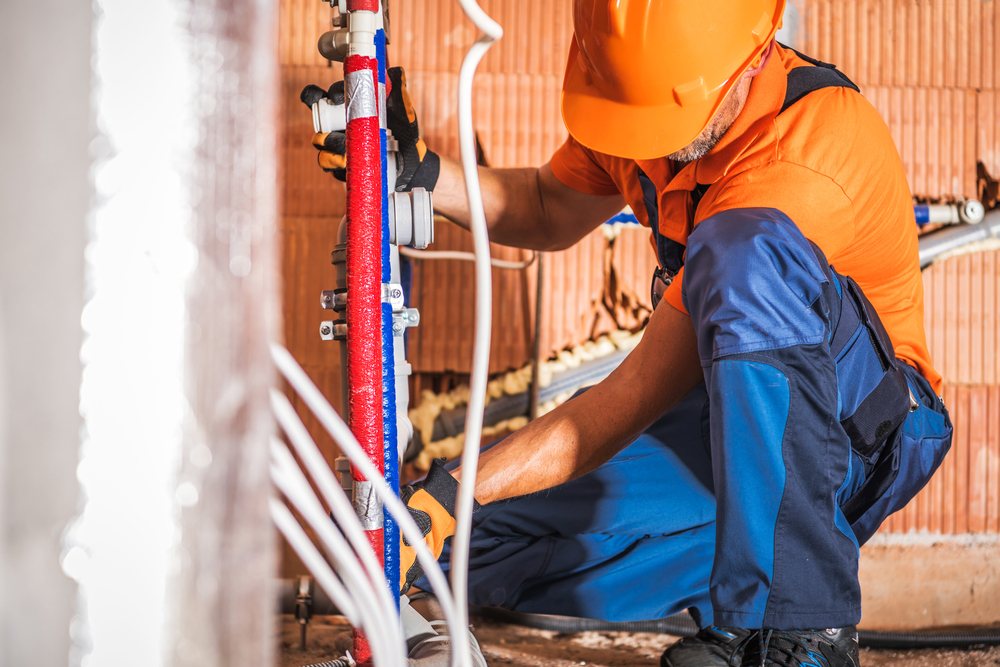
Plumbing maintenance should include more than visible leaks because valves, fixtures, drains, water heaters, and other components can deteriorate gradually.
Monsoon-season thunderstorms can introduce wind, dust, moisture, and drainage concerns that differ from the problems encountered during the hottest, driest part of summer.
Maintenance planning should reflect a building’s occupancy, operating hours, equipment condition, and consequences of downtime rather than relying solely on a generic calendar.
Why Do Desert Extremes Matter for Commercial HVAC and Plumbing?
Desert extremes matter because commercial mechanical systems must handle prolonged heat, dust, large temperature swings, and demanding operating schedules while continuing to serve employees, customers, tenants, equipment, and daily business functions. In Las Cruces, those pressures make preventive maintenance and system monitoring particularly valuable.
Recent National Weather Service observations illustrate the cooling challenge. In July 2026, the Las Cruces climate station recorded an average daily maximum temperature of 97.4°F, with 28 days reaching at least 90°F and a monthly high of 106°F.
A retail property near Telshor Boulevard, an office near Downtown, an industrial facility around West Mesa, and a commercial building near New Mexico State University may have very different loads. What they share is exposure to the Mesilla Valley’s demanding desert environment.
At B & H Mechanical Inc., we help commercial property and facility managers evaluate HVAC and plumbing needs with those local operating conditions in mind. Our focus is on identifying problems, maintaining reliable operation, and helping customers make informed decisions about their mechanical systems.
What Does Local Data Tell Facility Managers?
Local data shows that commercial cooling equipment must be prepared for sustained high-temperature operation, while municipal water and wastewater infrastructure makes plumbing maintenance an equally important part of facility planning. These are not abstract regional concerns. They directly affect buildings throughout the area.
National Weather Service preliminary data for August 2026 showed 23 days at or above 90°F through August 26, with a high of 103°F. That sustained heat can keep rooftop units, condensers, pumps, controls, and related components working for long periods.
On the plumbing side, Las Cruces Utilities reports that the municipal system draws water from the Mesilla and Jornada Bolsons. The utility maintains more than 600 miles of underground water lines in its primary system and approximately 533 miles of sewer lines.
These public figures do not determine how an individual building will perform, but they provide useful context for facility managers planning maintenance in the region.
How Can Desert Conditions Affect Commercial Buildings?
Desert conditions can increase cooling demand, restrict airflow through dust buildup, accelerate wear on heavily used components, and turn relatively small plumbing or HVAC deficiencies into operational problems. For area businesses, the consequences may include uncomfortable spaces, equipment downtime, water damage, wasted energy, or emergency service needs.
A poorly performing cooling zone can affect employees and customers during peak summer temperatures. A leaking fixture or supply connection can create property damage without immediately drawing attention. A clogged drain in a restaurant, medical office, school, or other high-use facility can interfere with normal operations.
Facility managers therefore benefit from looking at HVAC and plumbing as operational infrastructure rather than separate systems that receive attention only when something fails.
What Warning Signs Should Facility Managers Watch For?
Facility managers should investigate changes in temperature, airflow, equipment cycling, water pressure, drainage, sound, odor, and utility use because changes from normal operation can provide an early warning of mechanical problems. Establishing a baseline for the building makes unusual behavior easier to recognize.
Watch for:
Rooms or zones that no longer maintain their normal temperature
HVAC equipment that runs unusually long or cycles frequently
Weak airflow, unexpected noise, or new vibration
Visible dirt buildup around returns, registers, coils, or outdoor equipment
Unexplained water around fixtures, mechanical rooms, ceilings, or equipment
Slow drains, recurring backups, or sewer odors
Changes in water pressure or hot-water availability
Sudden utility-use changes that cannot be explained by occupancy, weather, or operating hours
Documenting when and where these symptoms occur can also give a commercial technician useful diagnostic information.
When Should a Facility Manager Call a Professional?
A facility manager should call a professional when a problem involves refrigerant systems, electrical components, combustion equipment, concealed plumbing, persistent drainage failures, backflow equipment, significant leaks, or recurring performance problems. Routine visual checks are useful, but commercial mechanical work can require specialized testing, tools, and code knowledge.
Staff can safely monitor thermostats, note abnormal sounds, check accessible areas for visible leaks, review maintenance records, and confirm that vents have not been obstructed.
Professional evaluation becomes more important when a symptom repeats, affects multiple areas, creates a potential safety or property risk, or threatens business continuity during extreme weather.
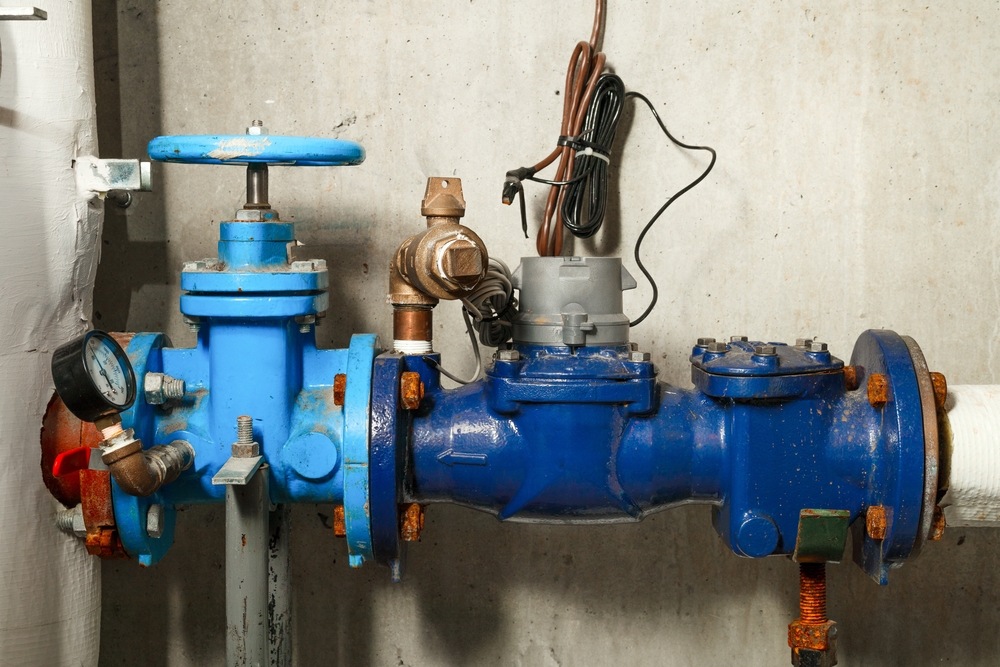
Local requirements matter too. Las Cruces Utilities says approved backflow prevention assemblies are required under City Ordinance 1694 where applicable, and its program oversees assemblies serving more than 2,000 businesses. Installations must follow relevant plumbing and building codes.
What Common Local Conditions Put Systems Under Stress?
The most common local stresses include sustained summer cooling demand, airborne dust, seasonal storm activity, water-related deposits, heavy commercial usage, and deferred maintenance. The exact combination varies by property, but each can influence how frequently equipment needs inspection.
1. Prolonged heat: Rooftop and outdoor HVAC equipment may operate for extended periods during southern New Mexico summers.
2. Desert dust: Windborne particles can accumulate on filters and heat-transfer surfaces, making unrestricted airflow an important maintenance priority.
3. Monsoon conditions: Thunderstorms can bring abrupt changes in wind, dust, rain, and drainage demands after long dry periods.
4. Water-system deposits: The City has noted that iron, manganese, and calcium deposits can become visible following some water-system outages. Facility-specific water conditions and equipment should be evaluated before deciding whether treatment or maintenance changes are appropriate.
5. Commercial operating loads: Restaurants, offices, healthcare spaces, retail properties, warehouses, and educational buildings near NMSU can place very different demands on HVAC and plumbing infrastructure.
How Should Commercial Systems Be Maintained for Desert Conditions?
Commercial systems should be maintained according to equipment requirements, actual operating conditions, and seasonal desert stresses rather than a one-size-fits-all schedule. In Las Cruces, the period before peak summer demand is especially useful for finding cooling problems before equipment is operating under its heaviest load.
Facility teams can routinely inspect accessible filters, registers, thermostats, visible piping, drains, plumbing fixtures, and mechanical-room conditions. Maintenance records should note recurring repairs, unusual readings, tenant complaints, and equipment that repeatedly falls outside normal operation.
Before summer, emphasize cooling capacity, airflow, coils, controls, electrical components, condensate drainage, and outdoor equipment condition. Before and during monsoon season, check drainage pathways and inspect exposed equipment after significant wind or dust events.
DIY inspection should stop when diagnosis requires opening energized equipment, working with refrigerant, altering gas or water piping, clearing serious obstructions, or performing code-regulated work.
What Results Can Facility Managers Expect From Proactive Maintenance?
Proactive maintenance can help facility managers identify developing problems earlier, maintain more consistent building performance, and make repair or replacement decisions with more information. It cannot eliminate every equipment failure, but it can reduce reliance on purely reactive maintenance.
For commercial properties from University Avenue to the East Mesa, the practical goal is predictable operation. A documented maintenance history can also reveal patterns such as repeated component failures, declining performance, chronic drain issues, or equipment approaching the point where replacement deserves consideration.
What Commercial Maintenance Mistakes Should Be Avoided?
The biggest maintenance mistakes are waiting for failure, treating symptoms without diagnosing causes, and using generic schedules that ignore actual building conditions. Desert operation can magnify the consequences of all three.
Mistake: Waiting until a rooftop unit stops cooling. Consequence: Diagnosis happens during peak demand when the affected space is already uncomfortable. Better approach: Inspect and service equipment before the hottest period.
Mistake: Repeatedly clearing a slow drain without investigating why it returns. Consequence: An underlying plumbing problem may continue developing. Better approach: Have recurring drainage problems professionally evaluated.
Mistake: Assuming every building needs identical maintenance intervals. Consequence: A high-use restaurant or medical property may be treated like a lightly occupied office. Better approach: Base maintenance on equipment, environment, occupancy, operating hours, and service history.
What Is a Common Local Facility Scenario?
A common local scenario is a commercial building that appears ready for summer until sustained high temperatures reveal reduced airflow, dirty heat-transfer surfaces, control problems, or worn components. This is a representative scenario, not a specific B & H Mechanical Inc. customer case study.
The facility may still cool during mild spring weather, so the problem remains unnoticed. Once outdoor temperatures climb and equipment operates for longer periods, indoor temperatures become harder to maintain.
The better opportunity is to identify those limitations before peak conditions arrive, when the facility manager has more flexibility to evaluate repair, maintenance, or replacement options.
Which Commercial Services Help Address These Problems?
Commercial HVAC service, preventive maintenance, plumbing diagnostics, repairs, and system evaluation can address many of the mechanical problems created or exposed by desert operating conditions. The appropriate solution depends on the equipment, failure mode, building demands, and remaining useful condition of the system.
We can help facility managers determine whether a problem calls for routine maintenance, targeted repair, further diagnosis, or discussion of replacement options.
How Should Facility Managers Compare Repair, Maintenance, and Replacement?
Facility managers should compare repair, maintenance, and replacement based on reliability, equipment condition, recurring costs, building needs, and the operational consequences of another failure. The cheapest immediate option is not automatically the most practical long-term choice.
Maintenance makes sense for keeping serviceable equipment operating properly. Repair is appropriate when a defined fault can reasonably restore performance. Replacement deserves consideration when equipment has recurring failures, significant deterioration, inadequate capacity, or performance problems that repairs are no longer resolving effectively.
For critical facilities, downtime risk should be part of that calculation alongside the direct project cost.
What Areas Can Commercial Facility Managers Consider When Planning Service?
Facility managers should plan mechanical service around their specific property and its operating environment, whether the building is in Las Cruces or another nearby part of Doña Ana County. Properties in Mesilla, University Park, and surrounding communities may face similar regional heat and dust while still having different equipment and infrastructure needs.
Confirm service availability for your specific property when scheduling.
What Can It Cost to Ignore a Developing Mechanical Problem?
Ignoring a developing HVAC or plumbing problem can allow a manageable maintenance issue to become a larger repair, disruption, or property-damage concern. In Las Cruces, cooling problems are particularly inconvenient when they become failures during periods of extreme summer heat.
Waiting can also remove options. A facility manager who discovers deterioration during planned maintenance may have time to budget and schedule work. A manager dealing with a sudden outage must make decisions while the building is already affected.
How often should commercial HVAC systems be serviced in Las Cruces?
Commercial HVAC maintenance frequency should be based on manufacturer requirements, operating hours, equipment type, building use, and environmental exposure. Desert dust and extended cooling operation may justify more frequent inspection of filters, coils, and other airflow-related components than a generic calendar suggests. A commercial technician can help establish an appropriate schedule.
Why is dust such a concern for commercial HVAC equipment in southern New Mexico?
Dust matters because accumulation can restrict airflow and interfere with efficient heat transfer through HVAC components. Properties across the Mesilla Valley can experience windborne dirt and debris, particularly around exposed outdoor equipment. Regular inspection helps determine whether filters and equipment surfaces need attention sooner than expected.
Should Las Cruces businesses prepare HVAC equipment before summer?
Yes, pre-summer inspection gives businesses an opportunity to identify cooling problems before prolonged high temperatures create maximum demand. The National Weather Service recorded 28 July 2026 days with highs of at least 90°F locally, illustrating why peak-season readiness matters for commercial facilities.
Does monsoon season change commercial maintenance priorities?
Yes, monsoon season can shift attention toward exposed equipment, drainage, windblown debris, and changes caused by thunderstorms or dust. Facility managers should inspect accessible areas after significant weather and report new leaks, drainage issues, equipment damage, or performance changes rather than assuming they are unrelated to the storm.
Do commercial properties in Las Cruces need backflow prevention?
Some commercial properties require approved backflow prevention assemblies depending on the plumbing system and potential hazards involved. Las Cruces Utilities administers a backflow prevention program under City Ordinance 1694 and states that applicable assemblies must comply with relevant plumbing and building codes. Facility-specific requirements should be confirmed with the appropriate authority.
Can facility staff handle commercial HVAC maintenance themselves?
Facility staff can perform appropriate visual monitoring and basic tasks allowed by the equipment manufacturer and workplace procedures, but technical HVAC work should be left to qualified professionals. Electrical diagnosis, refrigerant work, internal component repair, and other specialized procedures can involve safety, equipment, and regulatory considerations.
What plumbing problems should Doña Ana County facility managers watch for?
Facility managers should watch for recurring slow drains, water-pressure changes, unexplained moisture, fixture problems, unusual odors, inconsistent hot water, and unexpected changes in water use. These symptoms do not identify a single cause, but documenting them early can make professional diagnosis easier and reduce the chance that a hidden problem goes unnoticed.
How can I tell whether commercial equipment should be repaired or replaced?
Compare the equipment’s condition, repair history, performance, reliability, and importance to facility operations rather than using age alone. Repeated failures or persistent performance problems can justify discussing replacement, while an otherwise serviceable system with a clearly repairable fault may remain a reasonable repair candidate.
Keep Your Facility Ready for Southern New Mexico Conditions
Commercial HVAC and plumbing reliability in Las Cruces starts with maintenance built around desert heat, dust, seasonal weather, building demands, and the consequences of downtime. We help local facility managers evaluate mechanical problems and choose practical next steps based on the needs of their properties.
Protect Comfort, Operations, and Building Reliability
Plan ahead instead of waiting for peak heat or a plumbing problem to force an urgent decision. Contact us to discuss commercial HVAC and plumbing needs for your property.
A plumbing problem can turn from a minor maintenance issue into a major disruption when it affects an occupied office, retail space, restaurant, apartment community, or other commercial property. In Las Cruces, property managers also have to account for intense heat, mineral-rich water, seasonal temperature changes, and the demands placed on plumbing systems serving multiple occupants.
The best way to prevent commercial plumbing disasters is to combine routine inspections, preventive maintenance, fast attention to warning signs, and clear emergency procedures. Property managers should regularly check visible pipes, drains, fixtures, water heaters, shutoff valves, and high-use plumbing areas. Keeping maintenance records and knowing when to bring in a plumbing professional can also help reduce unexpected downtime and water damage.
What local property managers should know
Commercial plumbing problems often provide warning signs such as slow drains, unexplained water use, recurring clogs, low water pressure, moisture, or unusual sounds before a larger failure occurs.
Southern New Mexico’s mineral-rich water can contribute to scale accumulation in fixtures, valves, water heaters, and other plumbing components.
Properties near Downtown Las Cruces, the Mesilla Valley, and established commercial corridors may have plumbing systems with very different ages, materials, and maintenance histories.
High-use restrooms, kitchens, break rooms, and tenant spaces should receive more frequent attention than lightly used plumbing areas.
Every property manager should know where critical water shutoff valves are located before an emergency happens.
Why Does Preventive Plumbing Maintenance Matter in Las Cruces?
Preventive plumbing maintenance matters in Las Cruces because commercial systems must handle local water conditions, heavy daily use, hot weather, and the consequences of unexpected business interruption. Catching deterioration early can give property managers more options for scheduling repairs instead of responding after water is already damaging floors, walls, inventory, or tenant spaces.
Commercial properties throughout Doña Ana County range from older buildings to newer developments, and plumbing risks can differ significantly between them. A property near New Mexico State University may experience different usage patterns than a warehouse, medical office, restaurant, or retail building along a major commercial corridor.
B & H Mechanical Inc. helps area property owners and managers address plumbing needs before small problems become larger disruptions. We encourage a preventive approach built around inspection, maintenance, documentation, and timely professional service.
What Should Property Managers Look for During Routine Plumbing Checks?
Routine plumbing checks should focus on visible leaks, drainage performance, fixture condition, water pressure changes, moisture, corrosion, and equipment that no longer operates normally. A consistent inspection routine makes it easier to notice changes that might otherwise blend into the daily operation of a busy commercial property.
Commercial plumbing maintenance checklist
Inspect exposed pipes and fittings for moisture, corrosion, staining, or active dripping.
Check under sinks and around toilets for water, damaged seals, or persistent dampness.
Test faucets and fixtures for proper flow and complete shutoff.
Watch for toilets that run continuously or refill unexpectedly.
Confirm that sinks and floor drains empty at their normal speed.
Investigate recurring drain odors rather than simply masking them.
Check mechanical and utility areas for water stains or unexplained moisture.
Review water use for unexplained changes when reliable usage information is available.
Confirm that important water shutoff valves are accessible and clearly identified.
Keep plumbing service and repair records for the property.
For multi-tenant properties, managers can also establish a simple reporting process so occupants know whom to contact when they notice dripping fixtures, drainage problems, or water where it should not be.
What Plumbing Warning Signs Should Never Be Ignored?
Plumbing warning signs that should not be ignored include recurring clogs, falling water pressure, unexplained moisture, unusual pipe sounds, persistent odors, discolored water, and unexpectedly high water use. These symptoms do not automatically indicate a plumbing disaster, but they can justify further investigation before conditions worsen.
Pay particular attention to:
Recurring backups in the same sink, toilet, or floor drain
Water stains on ceilings, walls, cabinets, or flooring
Damp areas near plumbing walls or mechanical spaces
Sudden or gradual changes in water pressure
Toilets that frequently clog, run, or fail to flush correctly
Unusual banging, dripping, or running-water sounds
Persistent sewer or drain odors
Water use that changes without an obvious operational reason
In a busy Las Cruces commercial building, staff may work around minor plumbing problems for weeks. Creating a formal reporting process can prevent those warning signs from disappearing into everyday operations.
What Common Local Conditions Can Contribute to Commercial Plumbing Problems?
Common local conditions that can contribute to plumbing problems include mineral buildup, high fixture use, aging components, outdoor heat exposure, and seasonal cold snaps. The specific cause varies by property, so managers should avoid assuming that every slow drain, leak, or pressure problem has the same solution.
Mineral accumulation: Southern New Mexico water conditions can leave scale on fixtures and inside plumbing equipment over time. Regular inspection helps managers identify visible buildup and changes in performance.
High usage: Restaurants, offices, schools, apartment communities, and retail properties may place significant daily demand on restrooms, drains, faucets, and water-heating equipment.
Aging components: Older properties in established parts of the Mesilla Valley may contain plumbing components installed or modified at different times. Maintenance history matters when evaluating recurring problems.
Outdoor exposure: Pipes, irrigation connections, hose bibbs, and other exposed components can face intense sun and heat during southern New Mexico summers.
Cold weather: Although the region is known for heat, freezing conditions can still occur. Exposed or vulnerable piping deserves attention before colder nights arrive.
When Should a Property Manager Call a Commercial Plumbing Professional?
A property manager should call a commercial plumbing professional when a leak cannot be quickly isolated, drainage problems keep returning, water pressure changes significantly, multiple fixtures are affected, or the source of moisture is unclear. Active flooding, sewage backup, or a suspected concealed leak warrants especially prompt attention.
Safe routine monitoring can include checking visible fixtures, documenting symptoms, noting which areas are affected, and identifying whether a shutoff is accessible. Property staff should not open walls, dismantle unfamiliar equipment, or attempt repairs that exceed their training.
For commercial properties in Las Cruces, documenting when a problem began and which tenants or fixtures are affected can also help a technician narrow down the issue more efficiently.
How Can Property Managers Reduce the Risk of Emergency Plumbing Calls?
Property managers can reduce emergency plumbing risk by scheduling preventive inspections, responding quickly to recurring symptoms, maintaining accessible shutoffs, and preparing staff for plumbing incidents. Preventive maintenance cannot eliminate every unexpected failure, but it can reduce the chance that a known warning sign is overlooked until significant damage occurs.
A practical seasonal schedule can include checking exposed plumbing before colder weather, inspecting outdoor components after periods of extreme heat, and reviewing high-use drains and fixtures throughout the year.
Managers should also keep mechanical rooms and plumbing access points clear. During a leak, losing time because a shutoff valve is blocked by storage can make an already difficult situation worse.
What Mistakes Can Turn a Small Plumbing Problem Into a Bigger One?
The most damaging maintenance mistakes are repeatedly treating symptoms, delaying investigation, and failing to document recurring plumbing issues. These habits can allow an underlying problem to continue until the property experiences more extensive damage or disruption.
Mistake: Repeatedly clearing the same drain without investigating why it clogs. Consequence: A recurring drainage problem may continue and eventually cause a backup. Better approach: Track repeat incidents and arrange further evaluation when the pattern persists.
Mistake: Ignoring small leaks because they are not disrupting tenants. Consequence: Moisture can affect nearby building materials and increase repair scope. Better approach: Identify and address the source early.
Mistake: Waiting until an emergency to locate shutoffs. Consequence: Staff may lose valuable time during active water release. Better approach: Identify, label, and keep critical valves accessible.
Mistake: Treating every tenant complaint as an isolated event. Consequence: Managers can miss patterns across multiple fixtures or suites. Better approach: Maintain a property-wide plumbing maintenance log.
What Does a Common Local Commercial Plumbing Scenario Look Like?
A common local scenario is a multi-tenant property where one recurring plumbing complaint initially appears minor but eventually begins affecting other fixtures. A slow restroom drain, intermittent pressure complaint, or small leak may be reported several times before management recognizes a larger pattern.
Rather than repeatedly addressing only the immediate symptom, the better approach is to review previous maintenance records, identify every affected area, and have the system evaluated when recurring problems suggest a broader issue.
This is a general scenario, not a B & H Mechanical Inc. case study.
Which Plumbing Services Can Help Prevent Larger Problems?
Commercial plumbing inspection, maintenance, drain service, leak diagnosis, fixture repair, and appropriate system repairs can help property managers address developing problems before they create broader disruption. The right service depends on the symptoms, plumbing configuration, building use, and condition of the affected components.
Our role is to help determine what is happening, explain the available service options, and address plumbing needs appropriately for the property.
Should Property Managers Use DIY Maintenance or Professional Service?
Property managers should use routine visual checks and documentation for basic monitoring, while leaving diagnosis and significant plumbing repairs to qualified professionals. The dividing line should be based on staff training, safety, system complexity, and the potential consequences of an incorrect repair.
Facility staff can report leaks, monitor drains, inspect accessible areas, and identify shutoff locations. Professional evaluation becomes more appropriate when problems recur, multiple fixtures are affected, concealed piping may be involved, or a repair requires specialized tools or plumbing knowledge.
What Areas Can Local Commercial Plumbing Service Cover?
Commercial plumbing needs are not limited to central Las Cruces. Properties throughout the surrounding Mesilla Valley and nearby Doña Ana County communities can face similar issues related to water conditions, building use, aging components, and seasonal weather.
Property managers should confirm current service availability for their specific address when requesting an appointment.
What Can Happen If Commercial Plumbing Problems Are Left Unresolved?
Unresolved commercial plumbing problems can lead to water damage, sanitation concerns, tenant complaints, interrupted operations, damaged finishes, and a larger repair scope. The exact consequences depend on the type and location of the failure, but delaying a recurring or active problem generally reduces a manager’s ability to control when and how repairs occur.
That is especially important for restaurants, retail properties, offices, and multi-tenant buildings where restroom or water availability can directly affect normal operations.
Frequently Asked Questions About Commercial Plumbing in Las Cruces
How often should a commercial property in Las Cruces have its plumbing checked?
The appropriate inspection frequency depends on the property’s age, use, plumbing condition, maintenance history, and number of occupants. High-use facilities may benefit from more frequent checks than lightly occupied buildings. Property managers should combine regular staff observations with professional inspections based on recurring issues and the needs of the specific system.
Does hard or mineral-rich water affect commercial plumbing in Las Cruces?
Mineral-rich water can contribute to visible scale and deposits on plumbing fixtures and equipment over time. Property managers should watch for buildup, reduced fixture performance, and maintenance needs. The effect varies by equipment and system design, so recurring performance changes should be evaluated rather than attributed automatically to water quality.
What should Las Cruces property managers do first during a major plumbing leak?
The first priority is to protect people and limit water release when this can be done safely. Follow the property’s emergency procedures, use the appropriate known shutoff if trained to do so, protect occupants from affected areas, and contact professional plumbing service. Avoid entering areas where water creates an electrical or structural hazard.
Are commercial drain problems common in high-use properties?
High-use commercial drains can experience recurring problems because they handle more frequent use and, depending on the business, materials that should not enter the drainage system. Restaurants, offices, multi-tenant buildings, and other busy facilities should treat repeat clogs as a maintenance pattern that deserves investigation rather than relying indefinitely on temporary clearing.
Can Las Cruces commercial properties have frozen pipes?
Yes, vulnerable pipes can be exposed to freezing temperatures during cold weather even though southern New Mexico is known for a warm, dry climate. Outdoor and poorly protected plumbing deserves attention before colder nights. Property managers should identify vulnerable areas in advance rather than waiting for a freeze-related plumbing problem.
What records should a Doña Ana County property manager keep for plumbing maintenance?
Property managers should keep records of inspections, reported symptoms, repair dates, affected fixtures or suites, service performed, and recurring issues. A clear history can reveal patterns that individual work orders may miss. It also gives maintenance personnel and plumbing professionals useful context when diagnosing a problem that has occurred more than once.
When is a slow drain more than a minor maintenance problem?
A slow drain becomes more concerning when the problem repeatedly returns, affects several fixtures, produces odors or backups, or no longer responds normally after appropriate maintenance. In a commercial property, repeated drain symptoms should be documented so managers can determine whether the problem is isolated or part of a broader drainage issue.
How can property managers prepare for plumbing emergencies?
Property managers can prepare by identifying critical shutoffs, keeping access areas clear, maintaining current emergency contacts, documenting plumbing layouts when available, and training appropriate staff on reporting procedures. Preparation is particularly valuable in multi-tenant properties, where quickly identifying the affected area can help reduce disruption while professional service is arranged.
Protect Your Property From Avoidable Plumbing Disruptions
Preventive plumbing management gives local property managers a better chance to identify trouble while there is still time to plan the response. We can help evaluate recurring problems, maintenance concerns, and commercial plumbing needs throughout the area.
Commercial plumbing systems do more than deliver clean water. They also protect employees, customers, and the public water supply from contamination. For business owners in Las Cruces, understanding backflow prevention requirements can help avoid costly violations, unexpected repairs, and interruptions to daily operations.
Quick Answer
Backflow prevention requirements for commercial buildings in Las Cruces are designed to stop contaminated water from flowing back into the public drinking water system. Depending on your property’s plumbing system, business type, and potential cross connections, you may be required to install, test, maintain, and periodically inspect approved backflow prevention devices to remain compliant with local water regulations.
What Local Readers Should Know
Commercial properties with irrigation systems, fire sprinkler systems, commercial kitchens, medical facilities, or industrial equipment often require backflow prevention devices.
Annual testing is commonly required to verify that backflow prevention assemblies continue to operate properly.
Businesses served by the City of Las Cruces water system should understand local cross connection control requirements before remodeling or expanding plumbing systems.
Southern New Mexico’s dry climate makes irrigation systems common, which increases the need for proper backflow protection.
Working with a qualified commercial plumbing contractor helps ensure installations and testing meet applicable code requirements.
Why This Matters Locally
Backflow prevention is especially important in Las Cruces because commercial properties often rely on irrigation systems, cooling equipment, restaurants, and specialized plumbing that can create cross connection risks. Businesses throughout Doña Ana County, including nearby communities such as Mesilla, Sonoma Ranch, and University Park, depend on a safe municipal water supply.
Commercial growth across the region means many buildings are being renovated or expanded. Plumbing modifications may trigger updated code requirements or inspections that include backflow prevention devices. Staying ahead of these requirements helps prevent delays during inspections and reduces the risk of compliance issues.
At B & H Mechanical Inc., we help commercial property owners understand their plumbing systems and provide professional services that support safe, reliable operation while meeting applicable requirements.
Local Data and Field Observations
According to the City of Las Cruces, the public water system includes a Cross Connection Control Program that helps protect drinking water by requiring appropriate backflow prevention where hazards exist. Commercial facilities may be required to install approved assemblies and maintain them through regular testing based on the property’s level of risk.
From our experience working with commercial plumbing systems throughout the area, businesses often overlook backflow devices until an inspection, renovation, or failed test identifies a problem. Addressing these systems proactively usually results in fewer disruptions and more predictable maintenance costs.
Local Impact
Backflow issues can affect nearly every type of commercial property. Restaurants may face operational interruptions if plumbing systems require immediate repairs. Office buildings can experience unexpected maintenance expenses. Healthcare facilities, manufacturing operations, schools, and retail centers all depend on reliable water quality to support daily operations.
For businesses in Las Cruces, avoiding plumbing downtime is especially valuable during busy seasons when customer traffic and operational demands increase. Preventive maintenance helps reduce unexpected interruptions that could affect employees, tenants, or customers.
Warning Signs Your Commercial Property May Need Attention
Backflow prevention systems should be evaluated if you notice any of the following:
Your building has never had its backflow prevention devices inspected or tested.
Plumbing renovations have been completed without reviewing cross connection requirements.
Water pressure changes occur unexpectedly throughout the building.
Irrigation systems have been modified or expanded.
Your property has received notices requesting backflow testing or compliance documentation.
Water appears discolored or has an unusual odor after plumbing work.
Existing backflow assemblies show visible corrosion, leaks, or physical damage.
When to Call a Professional
Professional service is recommended whenever backflow prevention devices require installation, certification, testing, repair, or replacement. While property managers can visually inspect accessible plumbing equipment for obvious leaks or damage, certified testing and code compliance should be handled by qualified professionals.
If your commercial property is planning renovations, adding irrigation, installing commercial equipment, or changing occupancy, it is wise to evaluate whether additional backflow protection may be required before construction begins.
Common Local Causes of Backflow Concerns
Several factors commonly contribute to backflow risks in commercial buildings throughout Las Cruces.
Irrigation Systems
Landscape irrigation is common because of the region’s arid climate. Without proper protection, irrigation systems can create cross connections that require approved backflow prevention devices.
Commercial Equipment
Boilers, cooling towers, commercial kitchens, medical equipment, and manufacturing processes often introduce conditions that require specialized protection.
Plumbing Renovations
Building additions or plumbing modifications may alter the level of hazard within the system, making updated backflow protection necessary.
Pressure Changes
Water main repairs, firefighting activities, or sudden demand changes can create pressure fluctuations that increase the potential for backflow if systems are not properly protected.
Prevention and Maintenance
Preventive maintenance begins with understanding what backflow devices are installed on your property and maintaining documentation of inspections and testing.
Business owners should consider these best practices:
Schedule routine inspections and required testing.
Keep records of completed certifications.
Inspect irrigation systems before peak watering seasons.
Have damaged or leaking devices repaired promptly.
Review plumbing changes with qualified professionals before construction begins.
Ensure accessible devices remain protected from accidental damage.
Routine maintenance helps extend equipment life while supporting compliance with applicable regulations.
Expected Results from Professional Service
A professional backflow prevention inspection typically identifies the condition of existing assemblies, confirms whether devices are functioning properly, and documents any repairs or replacements that may be necessary.
When deficiencies are corrected promptly, businesses can often reduce the likelihood of emergency plumbing issues while maintaining confidence that their water system remains properly protected.
Common Mistakes
Mistake: Assuming every commercial property has identical requirements. Consequence: Required devices or inspections may be overlooked. Better Approach: Have the property’s specific plumbing system evaluated.
Mistake: Waiting until an inspection notice arrives. Consequence: Limited scheduling options and potential compliance delays. Better Approach: Schedule routine testing before deadlines.
Mistake: Ignoring visible leaks around backflow assemblies. Consequence: Minor issues may develop into larger repairs. Better Approach: Arrange professional evaluation as soon as leaks are noticed.
Common Local Scenario
A commercial property owner in Las Cruces renovates part of an office building to accommodate a new tenant with specialized equipment. During the permitting process, inspectors determine additional backflow protection is needed because the plumbing system has changed. By addressing the requirement early, the owner avoids delays during final inspections and keeps the project moving forward.
Related Service Solutions
Commercial plumbing services that commonly support backflow prevention include:
Helps identify issues early and supports compliance
Requires scheduled maintenance
Repair existing assembly
Often restores proper operation if components remain serviceable
May not be suitable for older or severely damaged devices
Replace outdated assembly
Improves long-term reliability
Higher upfront investment but may reduce future maintenance
Service Areas
We proudly serve commercial customers throughout Las Cruces as well as surrounding communities including Mesilla, Doña Ana, Anthony, Sunland Park, and other areas across Doña Ana County. Our commercial plumbing services are designed to support businesses throughout southern New Mexico.
The Cost of Ignoring Backflow Prevention
Delaying inspections or maintenance can lead to failed testing, unexpected repairs, project delays, or operational disruptions. More importantly, properly functioning backflow prevention devices help protect the public water supply and support safe building operations.
Do all commercial buildings in Las Cruces need backflow prevention devices?
Not every building has identical requirements. The need for backflow prevention depends on the property’s plumbing system, equipment, and potential cross connection hazards. A professional evaluation can determine what applies to your facility.
How often should backflow prevention devices be tested?
Many commercial backflow prevention assemblies require periodic testing, often annually, depending on local requirements and the type of device installed. Property owners should verify the schedule that applies to their building.
What is a cross connection?
A cross connection is any connection between potable water and a potential source of contamination. Proper backflow prevention devices help stop contaminated water from flowing into the drinking water system.
Why is backflow prevention important for irrigation systems in Las Cruces?
Irrigation systems can expose drinking water to fertilizers, chemicals, or stagnant water if proper protection is not installed. Because landscape irrigation is common throughout the region, these systems frequently require backflow protection.
Can commercial renovations affect backflow requirements?
Yes. Plumbing modifications, equipment additions, or changes in building occupancy may affect the level of hazard within a plumbing system and could require updated backflow protection.
What businesses are most likely to need backflow prevention?
Restaurants, healthcare facilities, schools, manufacturing facilities, office buildings with irrigation, apartment complexes, and properties with fire sprinkler systems commonly require some form of backflow protection.
Can I inspect my own backflow prevention device?
You can visually monitor accessible equipment for obvious damage or leaks, but certified testing and repairs should be completed by qualified professionals.
How can I prepare for a commercial plumbing inspection?
Maintain records of previous testing, ensure devices are accessible, report any known plumbing concerns, and schedule inspections before compliance deadlines whenever possible.
Protect Your Commercial Plumbing System with Confidence
Understanding backflow prevention requirements helps businesses protect their plumbing systems, employees, customers, and the public water supply. Staying proactive with inspections and maintenance can reduce costly surprises while supporting smooth daily operations.
Schedule Commercial Backflow Prevention Services
Protect your commercial property with experienced plumbing solutions tailored to your building’s needs.
Business owners across Las Cruces are paying closer attention to operating costs, equipment reliability, and energy efficiency. As aging commercial water heaters reach the end of their service life, many property owners are choosing modern high-efficiency systems that reduce utility expenses while providing more consistent hot water for daily operations.
Quick Answer
High-efficiency commercial water heaters help Las Cruces businesses reduce energy consumption, improve hot water reliability, and lower long-term operating costs. Whether you manage a restaurant, medical office, hotel, apartment complex, or industrial facility, upgrading to newer equipment can improve performance while helping your building operate more efficiently under Southern New Mexico’s demanding conditions.
What Local Businesses Should Know
Many older commercial water heaters operate far below the efficiency levels available with today’s equipment.
Hard water commonly found throughout Southern New Mexico can reduce water heater efficiency over time if maintenance is neglected.
Restaurants, healthcare facilities, schools, and hotels often benefit the most from upgrading because of their high daily hot water demand.
Commercial properties throughout Las Cruces, Mesilla, and nearby communities often discover savings by replacing equipment before emergency failure occurs.
Proper sizing is just as important as efficiency. An oversized or undersized system can increase operating costs.
Why This Matters for Commercial Properties in Las Cruces
High-efficiency commercial water heaters matter because businesses in Las Cruces rely on dependable hot water while managing rising operating expenses. From restaurants serving customers near Downtown Las Cruces to healthcare facilities along Lohman Avenue and businesses near New Mexico State University, reliable hot water is essential for daily operations.
Southern New Mexico’s dry climate, mineral-rich water, and long operating hours place constant demands on commercial plumbing equipment. Property owners throughout Doña Ana County often discover that older commercial water heaters require more energy while delivering less consistent performance as they age.
B & H Mechanical Inc. helps commercial property owners evaluate whether repairing existing equipment or upgrading to a high-efficiency system makes the most financial sense. Once you’ve met us, you’ll notice we focus on helping businesses find practical long-term solutions rather than recommending unnecessary replacements.
Local Field Observations
Professional field observations show that aging commercial water heaters frequently lose efficiency long before they stop producing hot water.
Commercial buildings often continue operating outdated systems because they still function. However, older equipment may cycle more frequently, recover more slowly, and consume significantly more fuel or electricity than modern high-efficiency models.
Facilities with continuous demand, such as restaurants, laundromats, hotels, fitness centers, and healthcare offices, typically notice these changes sooner because their systems operate throughout the day.
How High-Efficiency Water Heaters Benefit Local Businesses
High-efficiency commercial water heaters help reduce operating costs while improving day-to-day reliability.
Modern systems offer several advantages:
Lower energy consumption compared to older equipment.
Faster recovery rates during peak business hours.
More consistent water temperatures.
Improved controls for monitoring system performance.
Reduced emissions on many high-efficiency gas models.
Better insulation that minimizes standby heat loss.
For many businesses in Las Cruces, these improvements translate into fewer disruptions and more predictable monthly utility expenses.
Warning Signs Your Commercial Water Heater May Need Replacement
Several warning signs indicate a commercial water heater may be nearing the end of its useful life.
Watch for:
Rising utility bills without increased water usage.
Inconsistent hot water during busy periods.
Longer recovery times.
Rust-colored water.
Water leaks around the tank.
Frequent repair calls.
Unusual noises caused by sediment buildup.
Equipment approaching or exceeding its expected service life.
These problems often worsen gradually before leading to complete equipment failure.
When to Call a Commercial Plumbing Professional
Commercial water heater issues should be evaluated by a professional whenever performance declines or repairs become frequent.
Building managers can monitor water temperature, inspect for visible leaks, and pay attention to changing energy bills.
Professional service becomes important when:
Water temperatures fluctuate significantly.
Safety controls require adjustment.
Gas-fired equipment needs inspection.
Electrical components show signs of wear.
The system cannot keep up with business demand.
Replacement options need evaluation.
Scheduling service before an emergency helps businesses avoid unexpected downtime.
Common Causes of Reduced Water Heater Efficiency
Several local conditions contribute to declining commercial water heater performance in Las Cruces.
Hard Water
Mineral deposits accumulate inside storage tanks and heat exchangers, reducing efficiency and increasing operating costs.
Heavy Daily Usage
Restaurants, apartment buildings, schools, and hotels place continuous demand on commercial equipment, accelerating normal wear.
Aging Equipment
Even well-maintained systems gradually lose efficiency as internal components age.
Deferred Maintenance
Skipping routine flushing, inspections, or burner adjustments allows small issues to become larger problems over time.
Improper Sizing
Buildings that have expanded operations may outgrow their original water heater capacity.
Preventing Premature Water Heater Failure
Routine maintenance helps commercial water heaters operate more efficiently and last longer.
Recommended maintenance includes:
Annual professional inspections.
Tank flushing when appropriate.
Burner inspections for gas equipment.
Thermostat verification.
Pressure relief valve testing.
Leak inspections.
Checking venting systems.
Monitoring water quality.
Businesses throughout Doña Ana County often find that scheduled maintenance reduces unexpected repair costs.
What Businesses Can Expect From an Upgrade
Replacing an older commercial water heater typically improves reliability, efficiency, and overall system performance.
While every property is different, businesses commonly experience:
More dependable hot water availability.
Lower energy consumption.
Faster recovery during busy periods.
Reduced repair frequency.
Improved equipment monitoring.
Better compatibility with current building demands.
The exact savings depend on equipment age, usage patterns, utility rates, and proper installation.
Common Mistakes Property Owners Make
Avoiding these common mistakes can help maximize the value of a commercial water heater investment.
Mistake
Consequence
Better Approach
Waiting until total failure
Emergency replacement and business disruption
Plan replacement before equipment fails
Choosing equipment based only on purchase price
Higher long-term operating costs
Evaluate lifetime operating expenses
Ignoring maintenance
Reduced efficiency and shorter equipment life
Schedule regular professional service
Installing incorrect capacity
Insufficient hot water or wasted energy
Have the system professionally sized
Delaying repairs
Minor issues become major failures
Address problems early
Common Local Scenario
A common scenario involves a growing business that has simply outgrown its original water heating system.
For example, a restaurant near University Avenue may expand seating while continuing to rely on an aging water heater installed years earlier. During lunch and dinner rushes, recovery times slow, customer service suffers, and utility costs continue climbing. Upgrading to a properly sized high-efficiency system restores reliable performance while improving energy efficiency.
Related Commercial Plumbing Solutions
Commercial water heater upgrades often work best alongside other plumbing improvements.
Comparing repair and replacement helps property owners make informed decisions.
Repair
Replacement
Lower upfront cost
Higher initial investment
Appropriate for newer equipment
Best for aging or inefficient systems
May extend equipment life
Improves efficiency and reliability
Can address isolated issues
Solves recurring performance problems
Suitable when repair costs are reasonable
Ideal when repair costs continue increasing
Service Areas
We proudly serve commercial properties throughout Las Cruces, Mesilla, Doña Ana, Anthony, Sunland Park, and surrounding Southern New Mexico communities. Our goal is to help local businesses keep their plumbing systems operating efficiently with solutions that fit their facilities and operational needs.
The Cost of Waiting
Delaying replacement can increase operating expenses and raise the risk of unexpected downtime.
An aging commercial water heater may continue operating while quietly consuming more energy and requiring more frequent repairs. Waiting until complete failure often results in emergency service, business interruptions, and rushed equipment decisions.
Are high-efficiency commercial water heaters worth the investment in Las Cruces?
Yes. High-efficiency commercial water heaters often provide lower operating costs, improved reliability, and better performance for businesses with regular hot water demand. The long-term value depends on your building’s usage and the condition of your current equipment.
Does hard water affect commercial water heaters in Doña Ana County?
Yes. Hard water can contribute to mineral buildup inside tanks and heating components, reducing efficiency over time. Regular maintenance helps minimize these effects and supports longer equipment life.
What businesses benefit most from upgrading?
Restaurants, hotels, apartment complexes, healthcare facilities, schools, gyms, and industrial buildings typically see the greatest benefits because they use large amounts of hot water every day.
How long do commercial water heaters usually last?
Most commercial water heaters have an expected lifespan that depends on maintenance, water quality, usage, and equipment type. Professional inspections can help determine whether repair or replacement is the better option.
Should I repair or replace my commercial water heater in Las Cruces?
Replacement often makes sense when equipment experiences frequent breakdowns, rising operating costs, or has reached the end of its expected service life. A professional evaluation helps determine the most practical solution.
Can a new commercial water heater reduce utility bills?
Yes. Modern high-efficiency systems are designed to use less energy than many older models while maintaining dependable hot water production. Actual savings vary by facility and usage patterns.
Is preventative maintenance still necessary after installing new equipment?
Yes. Even new high-efficiency systems require regular maintenance to operate efficiently and maximize service life. Scheduled inspections also help identify small issues before they become expensive repairs.
How can businesses prepare for a commercial water heater replacement?
Planning ahead allows property owners to evaluate equipment options, schedule installation during less disruptive times, and avoid emergency replacement situations that may interrupt daily operations.
Helping Las Cruces Businesses Improve Efficiency
Reliable hot water is essential for keeping commercial operations running smoothly. Whether your building needs repairs, maintenance, or a complete system upgrade, choosing the right commercial water heater helps improve efficiency, reduce downtime, and support long-term operating costs.
Upgrade Your Commercial Water Heating System with Confidence
We’re here to help your business evaluate the right solution for your building, budget, and long-term goals.
A small plumbing issue can quickly become a major business interruption when it happens in a commercial building. For business owners and property managers in Las Cruces, unexpected plumbing failures can lead to downtime, damaged inventory, unhappy tenants, and expensive emergency repairs.
The good news is that most major plumbing emergencies show warning signs long before a pipe bursts or a sewer backs up. Recognizing those signs early allows you to schedule repairs on your timeline instead of reacting to an emergency.
Commercial plumbing problems are often preventable with routine inspections and proactive maintenance. In Las Cruces, aging infrastructure, hard water, seasonal temperature swings, and heavy daily water usage can all contribute to plumbing failures if they go unnoticed. Identifying red flags early helps reduce repair costs, limit business disruptions, and protect your property.
What Local Building Owners Should Watch For
Small leaks rarely stay small. Even a slow drip can cause hidden structural damage and mold if ignored.
Commercial plumbing maintenance in Las Cruces helps identify worn components before they fail unexpectedly.
Sudden changes in water pressure often point to developing issues inside the plumbing system.
Regular inspections are generally less expensive than emergency commercial pipe replacements or water damage restoration.
Businesses throughout Doña Ana County often deal with hard water mineral buildup that accelerates wear on plumbing fixtures and piping.
Businesses throughout the Mesilla Valley rely on dependable plumbing every day. Restaurants, retail centers, medical offices, schools, warehouses, and office buildings all experience significant water demand that places constant stress on plumbing systems.
Local water conditions also matter. Hard water commonly found throughout southern New Mexico allows mineral deposits to build inside pipes, valves, and water heaters over time. Combined with aging commercial infrastructure, these conditions increase the likelihood of leaks, corrosion, and unexpected failures.
At B & H Mechanical Inc., we help commercial property owners identify developing plumbing issues before they become emergencies. Through routine inspections and preventative maintenance, we work to reduce costly downtime and extend the life of commercial plumbing systems.
Commercial plumbing emergencies are usually preceded by warning signs. Water pressure changes, slow drains, recurring leaks, unusual noises, corrosion, and rising water bills often indicate developing problems that should be addressed before they disrupt business operations. According to the U.S. Environmental Protection Agency, fixing leaks promptly also helps reduce unnecessary water waste.
Common Plumbing Conditions Found in Southern New Mexico
Hard water contributes to mineral buildup inside commercial plumbing systems.
Older commercial buildings may contain aging galvanized or corroded piping.
High-use facilities place greater stress on valves, drains, water heaters, and supply lines.
Summer heat can affect above-ground plumbing components and expansion joints.
Doña Ana County businesses often benefit from scheduled plumbing inspections that identify issues before emergency repairs become necessary.
Commercial kitchens and food service facilities frequently experience grease-related drain problems.
Preventative inspections help identify developing issues before they result in significant water damage.
If you’re looking to improve the reliability of your plumbing system, routine commercial plumbing maintenance in Las Cruces is one of the most effective investments you can make.
Commercial plumbing systems experience wear differently than residential systems because they operate under heavier daily demand. Facilities with frequent restroom use, commercial kitchens, manufacturing equipment, or multiple tenants often place continuous stress on pipes, valves, drains, and fixtures.
According to the U.S. Environmental Protection Agency, even small leaks can waste substantial amounts of water over time, increasing utility costs while allowing hidden damage to develop if left untreated.
How Plumbing Emergencies Affect Commercial Properties
Commercial plumbing failures often cause more than repair expenses. They can interrupt operations, damage equipment, create safety hazards, and inconvenience customers or tenants.
Potential consequences include:
Temporary business closures
Damaged flooring, drywall, and ceilings
Inventory loss
Tenant complaints
Increased insurance claims
Higher operating expenses
Lost productivity
For many businesses, preventing one emergency can offset the cost of years of preventative maintenance.
Professional Insight
One of the most common misconceptions is that plumbing systems only need attention when something breaks.
In reality, many commercial plumbing failures develop gradually. We frequently find corrosion, loose fittings, deteriorating valves, and partially blocked drains during routine inspections before they become emergency situations.
Preventative maintenance provides opportunities to repair small issues while disruption remains minimal.
Warning Signs You Should Never Ignore
Commercial plumbing systems often provide clear warning signs before failure occurs. Common red flags include:
Unexplained increases in water bills
Water stains on ceilings or walls
Low or fluctuating water pressure
Frequent drain backups
Rust-colored water
Persistent sewer odors
Visible pipe corrosion
Constantly running toilets
Water pooling near mechanical rooms
Repeated plumbing repairs in the same area
Waiting too long can allow minor problems to become major repairs requiring extensive restoration work.
When to Call a Commercial Plumber
Commercial plumbing issues should be evaluated whenever recurring leaks, drainage problems, pressure fluctuations, or visible pipe deterioration appear. While maintenance staff can monitor obvious issues, diagnosing underlying plumbing problems typically requires specialized equipment and commercial experience.
Prompt service is especially important if plumbing problems begin affecting daily business operations or tenant comfort.
Commercial plumbing problems typically result from several contributing factors rather than one isolated issue.
The most common causes include:
Hard water mineral buildup
Aging piping materials
High daily water demand
Drain blockages
Valve wear
Corrosion
Deferred maintenance
Freeze damage during occasional cold weather events
Businesses seeking prevent commercial water damage in NM often find that routine inspections significantly reduce these risks.
Preventative Maintenance Strategies
The best way to reduce plumbing emergencies is through consistent preventative maintenance.
Recommended practices include:
Schedule annual plumbing inspections.
Test water pressure regularly.
Inspect exposed piping for corrosion.
Flush commercial water heaters as recommended.
Clean grease traps where applicable.
Address small leaks immediately.
Monitor monthly water usage for unusual changes.
Routine maintenance also helps identify when commercial pipe repair in Las Cruces, New Mexico should be completed before a failure occurs.
What Businesses Can Expect
Businesses that invest in preventative maintenance often experience:
Fewer emergency repairs
Lower long-term repair costs
Reduced water waste
Improved plumbing reliability
Longer equipment lifespan
Less operational downtime
While no plumbing system is completely immune to failure, proactive maintenance greatly reduces unexpected disruptions.
Professional Insight: Commercial plumbing systems rarely fail without warning. Regular inspections help uncover hidden issues while repairs remain manageable and less disruptive to daily operations.
Common Mistakes Property Owners Make
Avoid these common errors:
Ignoring small leaks
Delaying routine inspections
Waiting until pipes burst
Assuming higher water bills are normal
Overlooking slow drains
Skipping maintenance because everything “seems fine”
Each of these decisions increases the likelihood of emergency repairs.
A Common Local Scenario
Consider a commercial office building with a minor leak hidden above a ceiling tile. Because the leak goes unnoticed for several months, moisture damages insulation, ceiling materials, and nearby electrical components. What began as a simple plumbing repair becomes a larger restoration project that interrupts tenants and increases repair costs.
Scenarios like this highlight why early inspections are so valuable for commercial properties.
Plumbing Services That Help Prevent Emergencies
Preventative plumbing services commonly include:
System inspections
Leak detection
Drain cleaning
Valve replacement
Water pressure testing
Backflow testing where required
Water heater maintenance
Pipe inspections and repairs
Working with an experienced Las Cruces commercial plumber allows businesses to identify concerns before they become emergencies.
Comparing Reactive Repairs and Preventative Maintenance
Emergency repairs solve immediate problems but often involve higher costs, business interruptions, and additional property damage.
Preventative maintenance focuses on identifying developing issues early, allowing repairs to be planned during normal business hours with minimal disruption.
For most commercial properties, preventative maintenance provides better long-term value.
Areas We Serve
We proudly serve commercial customers throughout Las Cruces, Doña Ana County, Mesilla, Anthony, Sunland Park, and surrounding southern New Mexico communities. Our familiarity with local commercial buildings, water conditions, and regional plumbing challenges allows us to provide practical maintenance recommendations tailored to area businesses.
The Cost of Waiting
Delaying plumbing repairs can lead to:
Extensive water damage
Business interruptions
Higher repair costs
Equipment damage
Mold growth
Lost revenue
Tenant dissatisfaction
Addressing plumbing issues early is almost always more affordable than responding to a full emergency.
How often should commercial plumbing systems be inspected?
Most commercial properties benefit from annual inspections, while restaurants, medical facilities, and other high-use buildings may require more frequent maintenance.
Why is commercial plumbing maintenance in Las Cruces important?
Local hard water, aging infrastructure, and heavy commercial water usage can accelerate plumbing wear. Routine maintenance helps identify issues before they become costly emergencies.
Can small plumbing leaks really cause major damage?
Yes. Even slow leaks can damage building materials, increase water bills, and create conditions for mold growth if left untreated.
What are the first signs of commercial pipe problems?
Common warning signs include low water pressure, corrosion, unusual noises, water discoloration, recurring leaks, and rising utility bills.
How can businesses help prevent commercial water damage in NM?
Regular inspections, leak detection, prompt repairs, and preventative maintenance all reduce the likelihood of major water damage.
When should I call a Las Cruces commercial plumber?
Call whenever you notice recurring plumbing issues, unexplained water usage increases, visible leaks, or drainage problems. Early intervention often prevents much larger repairs.
Commercial plumbing systems are a critical part of keeping businesses operating safely and efficiently. Understanding local plumbing challenges and addressing warning signs early helps reduce costly disruptions while protecting your property for years to come.
Ready to Protect Your Commercial Property?
Prevent small plumbing issues from becoming expensive emergencies. Our team can evaluate your commercial plumbing system, identify potential concerns, and recommend practical maintenance solutions tailored to your facility.