

Essential Plumbing Repair Protocols for Water Safety in Medical Clinics
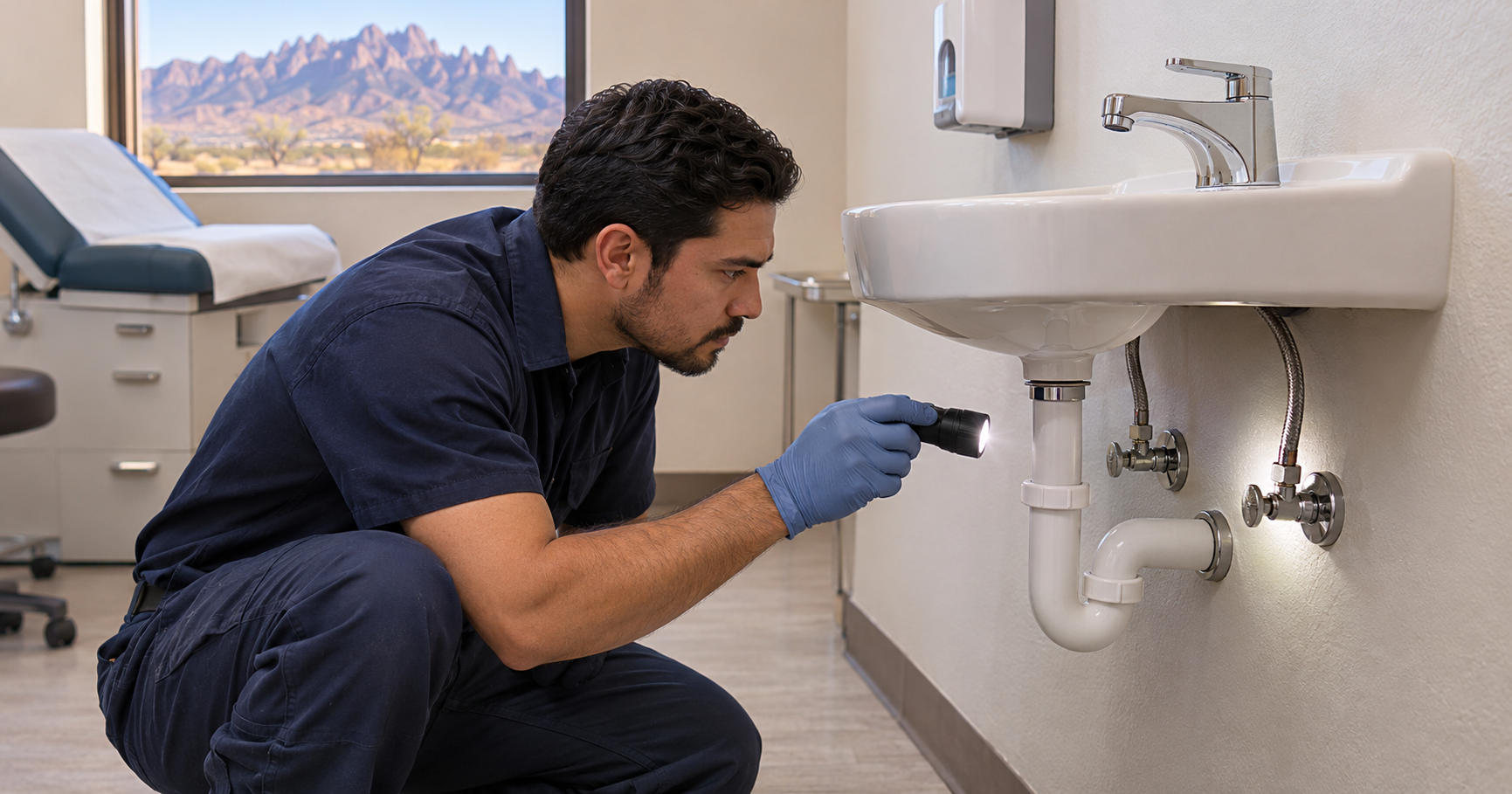
Imagine arriving at your medical clinic in Las Cruces, NM, only to discover that a water line has developed a leak, several examination room sinks have lost pressure, or a plumbing backup is affecting patient care areas. In most commercial buildings, these problems are inconvenient enough. However, in a healthcare environment, plumbing problems can create additional concerns involving sanitation, infection prevention, equipment operation, and patient safety. Whether you’re managing a medical office, outpatient clinic, or laboratory, knowing how to respond to plumbing problems is an important part of maintaining a safe and functional facility.
Effective medical clinic plumbing repair begins with identifying the problem, assessing potential water safety risks, and coordinating appropriate corrective action with licensed plumbing professionals. Healthcare facilities should also maintain reliable backflow prevention, address water quality concerns, and follow established procedures when restoring service after interruptions. The goal is to correct the plumbing problem while reducing potential contamination risks and unnecessary disruptions to patient care.
Here are several important considerations for Las Cruces healthcare facilities:
- Water safety involves more than stopping leaks: Plumbing repairs may require additional evaluation when water pressure, drinking water quality, or clinical operations are affected.
- Backflow prevention protects water supplies: Properly selected and maintained assemblies help prevent unwanted reverse flow through plumbing connections.
- Medical clinics have specialized requirements: Examination rooms, laboratories, and equipment may require different water quality and plumbing arrangements.
- Emergency response procedures matter: Facility managers should understand how to isolate plumbing problems and coordinate appropriate patient safety precautions.
- Preventative maintenance supports reliability: Regular inspections help identify deteriorating components before they create operational problems.
At B & H Mechanical Inc., we’ve been providing commercial plumbing and mechanical services throughout Las Cruces and Southern New Mexico since 1987. Our licensed and insured team works with commercial properties, including medical clinics and laboratories, to address plumbing installation, repair, maintenance, and backflow prevention requirements. With more than 30 years of local experience, we understand the importance of clear communication, professional workmanship, and minimizing disruptions in facilities where dependable water service matters.
Why Is Plumbing Repair Different in Medical Clinics?
Plumbing repair in medical clinics requires additional attention because water is used for patient care, handwashing, cleaning, equipment operation, and other activities that may have specific infection prevention requirements. A problem that seems minor in another commercial building could affect essential healthcare operations when water quality or availability is compromised.
Healthcare Water Systems Have Unique Risks
According to the Centers for Disease Control and Prevention (CDC), water entering healthcare facilities generally meets established drinking water standards, but tap water isn’t sterile.
Certain microorganisms can survive or grow within building plumbing systems, particularly when conditions allow water to stagnate or biofilms to develop.
For patients with increased susceptibility to infection, exposure to contaminated water can present additional concerns. This makes proper water system management an important part of a healthcare facility’s broader infection prevention efforts.
Different Areas May Have Different Water Needs
A medical clinic may have plumbing connections serving patient restrooms, examination room sinks, equipment cleaning areas, and laboratory operations.
These applications don’t necessarily require identical water quality. For example, ordinary potable water may be appropriate for some activities, while specialized laboratory or medical equipment may require separately treated water meeting the manufacturer’s specifications.
Facility managers should understand these differences before authorizing plumbing modifications.
Why Professional Coordination Matters
Plumbing technicians address the mechanical aspects of water supply, drainage, fixtures, and related equipment. However, clinical water safety decisions may also involve infection prevention personnel, laboratory staff, healthcare administrators, or other qualified professionals.
At B & H Mechanical Inc., we provide commercial plumbing services for medical clinics and laboratories throughout Las Cruces. We coordinate the plumbing work with the facility’s requirements while recognizing that clinical infection prevention decisions remain the responsibility of the appropriate healthcare professionals.
Protocol #1: Identify and Isolate Plumbing Problems Before Repairs Begin
The first essential plumbing repair protocol is identifying the affected system and controlling the immediate problem before repairs begin. For Las Cruces healthcare facilities, this can involve locating leaks, determining which fixtures or equipment are affected, and coordinating water isolation without unnecessarily interrupting essential clinical operations.
Assess the Problem and Its Potential Impact
Not every plumbing issue requires the same response. A leaking faucet in an unused administrative restroom presents different concerns from a water pressure failure affecting examination rooms or equipment used for patient care.
Facility managers should determine which areas are affected and whether the problem involves potable water, wastewater, or a specialized treatment system.
If the issue could affect patient safety, notify the appropriate clinical or infection prevention personnel immediately. Their assessment may determine whether certain rooms, fixtures, or procedures must temporarily be taken out of service.
Know Where Shutoff Valves Are Located
Commercial facilities should maintain accessible information about their plumbing systems, including appropriate shutoff locations.
Knowing which valves control specific areas can help trained personnel coordinate an emergency response without unnecessarily interrupting water throughout the entire building.
However, closing valves serving medical equipment or critical operations may have consequences beyond the immediate plumbing problem. Water isolation should follow the facility’s established procedures.
Document the Incident
Record when the problem was discovered, which areas were affected, and what corrective actions were taken. Documentation can help the repair team understand the situation and support the facility’s internal water safety records.
For healthcare properties around University Avenue, Sonoma Ranch, and downtown Las Cruces, having an established response procedure can help staff act more efficiently when an unexpected plumbing issue occurs.
Protocol #2: Protect Against Backflow and Cross-Connection Contamination
Backflow prevention is essential to healthcare plumbing safety because it helps prevent water from flowing backward through a connection and potentially introducing contaminants into the drinking water supply. Medical clinics should maintain appropriate backflow protection wherever required by the plumbing system’s design and applicable regulations.
How Backflow Can Occur
Backflow may develop when pressure conditions change within a plumbing system. Depending on the circumstances, a pressure drop or another hydraulic condition can allow water to move in an unintended direction.
A cross-connection creates a potential pathway between potable water and another water source or substance. Without appropriate protection, these arrangements can create contamination risks.
Medical clinics may have connections involving specialized equipment, water treatment systems, or other fixtures that require careful evaluation.
Understanding Las Cruces Backflow Requirements
Las Cruces Utilities administers a backflow prevention program designed to protect the municipal drinking water supply.
Under applicable local requirements, commercial properties with potential cross-connection hazards may need approved backflow prevention assemblies and periodic testing.
The specific protection required depends on the degree of hazard, equipment, and plumbing configuration. Not every connection uses the same type of assembly.
When Backflow Devices Need Attention
Backflow prevention equipment should be inspected and tested according to the applicable requirements. Failed tests, visible leaks, damaged components, or changes to the plumbing system may require professional evaluation.
Our commercial plumbing services include backflow prevention and testing. We help Las Cruces businesses address their plumbing requirements using appropriate equipment and professional service procedures.
Importantly, backflow protection doesn’t replace a comprehensive healthcare water management program. It addresses a particular type of contamination risk within the larger plumbing system.
Protocol #3: Address Water Quality and Filtration Requirements
Medical clinic plumbing repairs should account for water quality requirements whenever the affected system supplies clinical equipment, laboratories, or other water-sensitive operations. Water filtration and purification technologies can be important in healthcare facilities, but the appropriate treatment depends on the intended use and applicable equipment specifications.
Potable Water and Treated Water Are Different
Potable water is suitable for ordinary drinking water uses under applicable standards, but it isn’t automatically appropriate for every medical or laboratory application.
Some equipment requires additional water treatment, such as filtration, reverse osmosis, or deionization. Other applications may require specific microbiological or chemical water quality limits.
These requirements should be determined by the equipment manufacturer, clinical professionals, laboratory personnel, and applicable standards.
Why Filtration Systems Need Proper Evaluation
Water filtration systems can address specific contaminants or water quality characteristics depending on the technology.
For example, sediment filtration serves a different purpose from activated carbon treatment, and neither should automatically be treated as equivalent to reverse osmosis or another specialized purification process.
When plumbing repairs affect a treatment system, the facility should review whether additional testing, servicing, or component replacement is necessary before restoring the associated equipment to use.
Coordinating Plumbing With Specialized Water Treatment
A commercial plumbing contractor may need to repair piping, valves, fixtures, or supply connections associated with specialized water treatment equipment.
However, work on purification systems and decisions about water quality suitability may require coordination with the equipment manufacturer or a qualified water treatment specialist.
Our commercial plumbing team can address applicable piping, water supply, and backflow prevention work while coordinating with the responsible facility personnel and other specialists when necessary.
This approach helps keep the plumbing repair scope separate from clinical water quality certification or specialized treatment validation.
Protocol #4: Follow Safe Procedures After Water Interruptions and Repairs
Healthcare plumbing systems require careful restoration after water interruptions because pressure changes, opened piping, and periods of stagnation can affect water quality. Repairs may correct the mechanical problem, but additional precautions can be necessary before affected fixtures or equipment are returned to service.
Why Pressure Drops Matter
Water main breaks, planned shutdowns, and plumbing repairs can temporarily change pressure within a building’s water distribution system.
The CDC identifies pressure drops and water system disruptions as potential factors affecting healthcare water quality.
When a facility experiences a significant interruption, its water management and infection prevention teams should evaluate whether additional precautions are necessary.
Flushing and System Recovery
Depending on the nature of the interruption, restoring service may involve flushing affected plumbing sections, checking water pressure, evaluating equipment, and taking additional steps identified by the facility’s water management program.
However, flushing procedures should not be selected arbitrarily. The appropriate approach depends on whether contamination is suspected, the areas affected, and relevant public health or clinical guidance.
In some situations, water testing, targeted disinfection, or specialized treatment may be needed before a system is cleared for its intended use.
Follow Healthcare-Specific Water Safety Procedures
The CDC recommends that healthcare facilities maintain water management programs that identify potential hazards, corrective measures, and monitoring responsibilities.
A multidisciplinary team may include facility management, infection prevention personnel, clinicians, and relevant technical specialists.
For medical facilities in Las Cruces, these internal procedures should guide decisions about when water service can safely resume for particular clinical activities.
Don’t Resume Every Service Automatically
Even after a plumbing repair is complete, certain equipment may need cleaning, testing, or other preparation before returning to normal operation.
For example, equipment with specialized water requirements may need manufacturer-specific procedures following a prolonged interruption.
The plumbing contractor can confirm completion of the mechanical repair, while the facility’s responsible clinical or technical personnel determine whether additional water safety steps are required.
Protocol #5: Maintain Code Compliance and Preventative Plumbing Inspections
Healthcare facilities can reduce plumbing-related risks by maintaining code-compliant systems, scheduling appropriate inspections, and addressing identified problems before they disrupt operations. For medical clinics in Las Cruces, preventative maintenance should account for high-use fixtures, backflow equipment, water heaters, and other important components.
Understand New Mexico Plumbing Code Requirements
New Mexico’s 2024 Plumbing Code became effective August 1, 2026, with a transition period allowing permits under either the previously adopted code or the newer requirements through December 31, 2026.
Beginning January 1, 2027, newly issued permits must follow the 2024 New Mexico Plumbing Code, subject to applicable regulatory provisions.
Facility managers should confirm which requirements apply to their specific repair or renovation project. Local permitting procedures and the work’s scope can influence whether additional approvals or inspections are necessary.
Schedule Regular Commercial Plumbing Inspections
Preventative maintenance helps identify developing plumbing problems before they become larger operational concerns.
Depending on the facility, maintenance activities may include:
- Inspecting accessible piping for leaks and deterioration.
- Evaluating water pressure concerns.
- Checking commercial water heater operation.
- Inspecting drains and identifying recurring blockages.
- Reviewing emergency shutoff valve accessibility.
- Arranging required backflow assembly testing.
- Evaluating plumbing changes that may create unwanted stagnation.
- Maintaining records of inspections, repairs, and equipment service.
The frequency of these activities should reflect the facility’s water management program, manufacturer recommendations, and applicable requirements.
Pay Attention to Water Stagnation
Infrequently used sinks, fixtures, or plumbing branches can allow water to remain within the system for extended periods.
The CDC identifies water age and stagnation as factors healthcare facilities should consider when evaluating the risk of opportunistic pathogens.
For clinics with unused examination rooms or changing occupancy patterns, the water management team should determine appropriate monitoring and flushing procedures.
Why Professional Maintenance Matters
At B & H Mechanical Inc., we offer commercial plumbing maintenance plans that can include leak inspections, drain checks, water heater evaluations, emergency shutoff testing, and backflow equipment service.
Our team works with commercial facility managers to address plumbing problems before they develop into larger disruptions. Maintenance recommendations are based on the building’s equipment, usage, and operational needs.
Need professional commercial plumbing repair in Las Cruces? Contact our team to discuss water supply problems, backflow prevention, or maintenance needs for your healthcare facility.
How Should Medical Clinics Respond to Emergency Plumbing Problems?
Medical clinics should respond to emergency plumbing problems through a coordinated plan that addresses immediate water safety risks, protects affected areas, and arranges qualified repairs. The exact response depends on whether the incident involves a clean water leak, sewage backup, pressure loss, or suspected contamination.
Recognize Problems That Need Immediate Attention
Certain plumbing problems can interfere with essential clinical operations or create unsafe conditions.
Warning signs include:
- Sudden loss of water pressure in patient care areas.
- Sewage backing up through floor drains or fixtures.
- Significant leaks affecting treatment rooms or electrical equipment.
- Backflow assembly failures or suspected cross-connections.
- Unusual water discoloration after a major system interruption.
- Repeated drainage problems affecting clinical sinks.
- Loss of hot water needed for facility operations.
- Water intrusion affecting stored medical supplies or equipment.
These conditions don’t all require the same corrective actions, but they warrant prompt assessment.
Coordinate Facility and Clinical Responsibilities
The facility manager should notify appropriate internal personnel, identify affected services, and arrange professional plumbing assistance.
If contamination is suspected, the infection prevention or clinical leadership team should determine the appropriate restrictions on water use.
Healthcare staff should not assume that clear-looking water is necessarily suitable for every clinical application after a significant water system event.
Emergency Commercial Plumbing Services
Our team provides emergency commercial plumbing repair services throughout Las Cruces and surrounding communities, including after-hours and weekend response availability.
We address commercial plumbing problems such as leaking pipes, drainage failures, and other mechanical system concerns.
For medical clinics and laboratories, we understand the importance of coordinating repair work with facility operations to help limit unnecessary interruptions.
However, response times depend on current availability and the circumstances of the emergency. Facilities should maintain an internal contingency plan for critical water interruptions rather than relying solely on a service appointment.
Why Choose an Experienced Commercial Plumber for Healthcare Facilities?
An experienced commercial plumber understands that medical clinic plumbing involves more than routine fixture operation. Healthcare facilities need professionals familiar with commercial piping, backflow prevention, system maintenance, and the importance of coordinating repairs with clinical operations and applicable regulations.
Experience With Medical Clinics and Laboratories
We’ve served commercial customers throughout Las Cruces and Southern New Mexico for more than 30 years.
Our commercial plumbing experience includes medical clinics, laboratories, office buildings, and other facilities with specialized operational requirements.
We provide water and sewer line installation, commercial water heater services, backflow prevention and testing, plumbing maintenance, and emergency repairs.
Licensed Commercial Plumbing Services
Our licensed and insured technicians provide professional commercial plumbing services based on the project’s requirements.
We understand that healthcare facility work may involve additional coordination with compliance personnel, infection prevention teams, and equipment specialists.
Our role is to perform the appropriate plumbing work, address applicable code requirements within our scope, and communicate clearly with the people responsible for facility operations.
Serving Las Cruces and Southern New Mexico
We serve businesses throughout Las Cruces and surrounding communities, including Mesilla, Sunland Park, Deming, Alamogordo, and nearby areas.
Whether you’re managing a medical office near Memorial Medical Center, a laboratory near New Mexico State University, or a healthcare property elsewhere in Doña Ana County, we’re available to discuss your commercial plumbing requirements.
Frequently Asked Questions About Medical Clinic Plumbing Repair in Las Cruces
Why is plumbing maintenance important for medical clinics in Las Cruces, NM?
Plumbing maintenance helps healthcare facilities identify leaks, drainage problems, backflow concerns, and water system deficiencies before they affect operations. Medical clinics have additional water safety considerations because plumbing systems support handwashing, cleaning, equipment operation, and other activities involving patients and staff.
What should a healthcare facility do after a major water line break?
A healthcare facility should follow its emergency water management procedures, notify appropriate clinical and facility personnel, and arrange qualified repairs. Depending on the disruption, additional flushing, water quality evaluation, equipment servicing, or infection prevention measures may be necessary before affected services resume.
Do medical clinics need backflow prevention devices?
Medical clinics may require approved backflow prevention devices where their plumbing systems contain regulated cross-connection hazards. The specific requirements depend on equipment, system configuration, and applicable regulations, so qualified professionals should evaluate the property’s connections and required protection.
Can commercial plumbing repairs affect water quality?
Yes, certain plumbing repairs can temporarily affect water quality when piping is opened, pressure changes occur, or the system experiences prolonged stagnation. Healthcare facilities should follow appropriate water management procedures and determine whether flushing, testing, or other measures are necessary before restoring affected clinical water uses.
Are water filtration and purification systems required in medical clinics?
Water treatment requirements depend on the facility’s equipment and intended uses. Some medical or laboratory applications require specialized water quality, but ordinary plumbing filtration isn’t automatically equivalent to purified water suitable for clinical equipment or specialized procedures.
What plumbing codes apply to Las Cruces healthcare facilities?
Commercial plumbing work must comply with the applicable New Mexico Plumbing Code and any relevant permitting or inspection requirements. New Mexico adopted its 2024 Plumbing Code effective August 1, 2026, with a transition period for qualifying permits through December 31, 2026.
How often should medical clinics schedule commercial plumbing inspections?
Inspection frequency depends on the facility’s equipment, water management program, applicable regulations, and operating conditions. Backflow testing, water heater maintenance, leak inspections, and other activities may follow different schedules, so a customized maintenance plan is generally more useful than one universal interval.
Does B & H Mechanical Inc. provide emergency plumbing repair in Las Cruces?
Yes, we provide emergency commercial plumbing repair for businesses throughout Las Cruces and surrounding Southern New Mexico communities. Our services include repairs involving leaks, drainage problems, water supply components, and other commercial plumbing concerns, with availability subject to current service conditions.
Can B & H Mechanical Inc. service medical clinics and laboratories?
Yes, we provide commercial plumbing services for medical clinics and laboratories, including installation, maintenance, backflow prevention, and plumbing repairs. We coordinate our work with facility personnel and applicable project requirements while leaving clinical infection prevention decisions to the responsible healthcare professionals.
Protect Your Healthcare Facility With Proactive Plumbing Care
Reliable plumbing is essential to the daily operation of a medical clinic, but its importance extends beyond keeping sinks, restrooms, and equipment supplied with water. A well-maintained plumbing system helps support sanitation, facility operations, and the broader water safety practices established by healthcare professionals. Whether you’re responding to an unexpected leak, evaluating backflow protection, or planning improvements to aging infrastructure, taking a proactive approach can help reduce avoidable disruptions. The most effective strategy combines qualified plumbing services, appropriate maintenance, and clear coordination between facility management and clinical personnel.
At B & H Mechanical Inc., we’re proud to support healthcare facilities and commercial properties throughout Las Cruces and Southern New Mexico. Since 1987, we’ve provided professional plumbing and mechanical services designed around the requirements of different commercial operations. Our licensed team understands the importance of careful repairs, backflow prevention, reliable water supply systems, and communication when work affects a functioning medical facility. Whether you’re managing a neighborhood clinic, outpatient facility, or laboratory, we’re here to help you address plumbing concerns and maintain the systems your operations depend on.
Keep Your Las Cruces Medical Facility’s Plumbing Safe and Reliable
Protect your facility’s operations with professional commercial plumbing repair, backflow prevention, and preventative maintenance services. Contact B & H Mechanical Inc. today to discuss your healthcare facility’s plumbing needs and schedule professional service in Las Cruces, NM.