

Slash Operational Costs: 2026 Energy Efficiency Upgrades for Commercial Buildings in Las Cruces
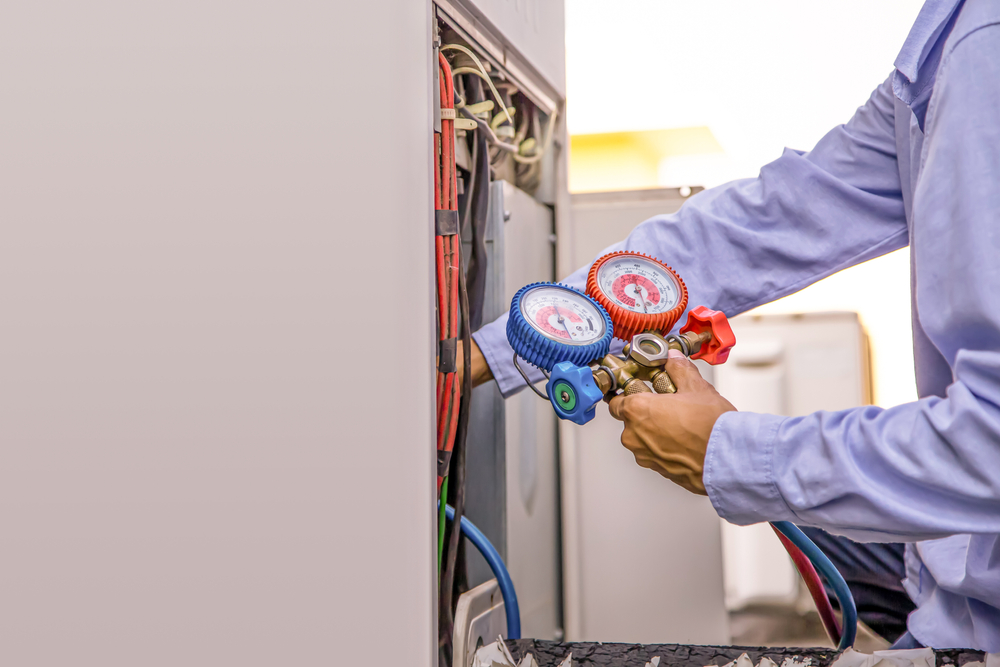
High summer temperatures, intense sun, long cooling seasons, and dusty desert conditions can make energy use a major operating expense for commercial properties in Las Cruces. For offices, restaurants, retail spaces, medical buildings, warehouses, and other facilities across Doña Ana County, small efficiency problems can compound every month.
The most useful 2026 upgrades are often the ones that reduce HVAC runtime, improve controls, limit unwanted heat gain, and replace inefficient equipment. Building owners should prioritize improvements based on actual energy use and equipment condition rather than replacing systems simply because a newer option is available.
What local businesses should know
-
HVAC upgrades can produce meaningful savings when aging equipment is running longer than necessary to maintain indoor temperatures.
-
El Paso Electric currently offers qualifying New Mexico commercial customers efficiency programs covering measures such as HVAC equipment, lighting, controls, cool roofs, and window treatments.
-
Las Cruces Utilities provides natural gas service, making furnace, boiler, and other gas-fired equipment efficiency relevant for many commercial properties.
-
Buildings near busy corridors such as University Avenue, Lohman Avenue, and the I-25 area may also contend with dust and outdoor debris that can affect HVAC performance.
-
Incentive eligibility should be checked before work begins because program requirements, available funding, and federal tax rules can change.
Why Do Energy Efficiency Upgrades Matter So Much in Las Cruces?
Energy efficiency upgrades matter in Las Cruces because commercial cooling equipment operates under a demanding desert climate, while winter heating still contributes to annual energy use. New Mexico energy-efficiency calculations list the area at 1,899 cooling degree days and 2,816 heating degree days, illustrating the importance of addressing both cooling and heating performance.
Properties around Downtown Las Cruces, Sonoma Ranch, the New Mexico State University area, Mesilla, and developing commercial corridors can have very different building envelopes and mechanical systems. Older storefronts may struggle with air leakage or aging rooftop units, while newer buildings may benefit more from control optimization and scheduled operation.
At B & H Mechanical Inc., we recommend looking at the building as a system. HVAC equipment, thermostats, controls, ductwork, insulation, roof surfaces, windows, and operating schedules can all influence how much energy a commercial property consumes.
Which 2026 Energy Efficiency Upgrades Should Businesses Prioritize?
The best 2026 energy efficiency upgrades are high-efficiency HVAC equipment, smarter controls, improved building-envelope performance, efficient lighting, and measures that reduce solar heat gain. The right priority depends on where the building is currently wasting energy and whether existing equipment is nearing the end of its practical service life.
Start with these areas:
-
High-efficiency HVAC equipment: Replacing inefficient air conditioners, heat pumps, packaged units, or other cooling equipment can lower the energy required to condition occupied areas.
-
HVAC controls: Programmable controls, properly configured thermostats, scheduling, and other control improvements can reduce unnecessary operation during nights, weekends, and low-occupancy periods.
-
Cool roofing and window treatments: In southern New Mexico’s intense sun, reducing heat entering through roofs and glass can lower the cooling load placed on mechanical equipment.
-
LED lighting and controls: Efficient fixtures produce less waste heat while reducing electrical consumption, which can benefit retail, office, warehouse, and exterior lighting applications.
-
Air sealing and insulation: Addressing gaps and poorly insulated areas can help conditioned air remain inside the building instead of forcing equipment to compensate for outdoor heat.
El Paso Electric’s current New Mexico commercial programs include incentives for several of these categories. Its commercial HVAC program lists incentives for qualifying heat pumps and other HVAC equipment, while separate programs address lighting and other efficiency measures. Incentives remain subject to program eligibility and available funding.
What Warning Signs Suggest a Commercial Building Is Wasting Energy?
Common warning signs of commercial energy waste include rising utility use, excessive HVAC runtime, uneven temperatures, repeated repairs, and equipment operating when the building is unoccupied. In the Las Cruces climate, these problems can become especially noticeable during sustained hot-weather operation.
Watch for:
-
HVAC systems that run almost continuously during business hours.
-
Large temperature differences between rooms or tenant spaces.
-
Hot areas near west-facing windows or beneath exposed roof sections.
-
Thermostats that require frequent manual adjustment.
-
Unusually dusty filters, coils, or outdoor equipment.
-
Increasing repair frequency on older mechanical systems.
-
Cooling or heating equipment operating long after employees and customers leave.
-
Utility consumption that remains high even when occupancy decreases.
These signs do not automatically mean equipment needs replacement. They indicate that an evaluation may be worthwhile.
When Should a Las Cruces Business Call a Professional?
A professional evaluation is appropriate when energy problems involve mechanical equipment, controls, airflow, refrigerant systems, gas-fired appliances, electrical components, or persistent comfort problems. Facility staff can safely monitor filters, thermostat schedules, utility trends, and obvious obstructions, but technical diagnostics should be left to qualified professionals.
This is particularly useful before peak cooling demand, when unexpected equipment problems can affect employees, tenants, inventory, and customers. Planning improvements before an older system fails also gives property owners more time to compare equipment and review possible incentive requirements.
What Common Local Conditions Increase Commercial Energy Use?
The most common local contributors to commercial energy use are sustained cooling demand, solar heat gain, dust exposure, inefficient operating schedules, and aging equipment. These conditions can affect properties throughout the Mesilla Valley, from freestanding retail buildings to offices and mixed-use commercial spaces.
Heavy cooling loads: Southern New Mexico summers can keep rooftop and split systems operating for extended periods.
Strong solar exposure: Roofs, exterior walls, and large areas of glass can absorb substantial heat during the day.
Dust and debris: Dirty coils and restricted filters can interfere with normal airflow and heat transfer.
Older mechanical equipment: Aging components may require more repairs and may not perform as efficiently as properly selected modern equipment.
Poor scheduling: Heating and cooling empty areas after hours wastes energy without improving customer or employee comfort.
How Can Businesses Prevent Energy Waste Throughout the Year?
Businesses can prevent unnecessary energy use by combining seasonal maintenance with regular monitoring of equipment schedules, filters, airflow, and utility consumption. In Las Cruces, a useful maintenance strategy prepares cooling systems before the hottest part of the year and checks heating performance before colder winter mornings arrive.
Facility managers can regularly confirm thermostat schedules, replace accessible filters as recommended, keep outdoor equipment clear of debris, close doors that allow conditioned air to escape, and compare energy use from month to month.
Professional maintenance can go further by evaluating controls, electrical components, coils, motors, airflow, equipment condition, and other system-specific factors that are not appropriate for routine DIY work.
What Results Can Businesses Expect From Efficiency Improvements?
Businesses can expect well-selected efficiency improvements to reduce unnecessary equipment runtime, improve temperature control, support more consistent comfort, and potentially lower energy consumption. Actual savings vary according to building size, operating hours, equipment condition, occupancy, utility rates, and the specific measures completed.
An energy-saving project should therefore begin with a baseline. Comparing prior utility use, operating schedules, equipment condition, and comfort complaints makes it easier to determine whether an upgrade is solving the right problem.
What Energy Upgrade Mistakes Should Property Owners Avoid?
The biggest mistake is replacing equipment without first identifying why the building is using excessive energy. A new system cannot fully compensate for poor controls, major air leakage, neglected maintenance, or a building envelope that continually adds unnecessary cooling load.
Other common mistakes include:
Mistake: Choosing equipment based only on purchase price.
Consequence: Lower initial cost can overshadow operating efficiency and suitability for the building.
Better approach: Compare lifecycle considerations, efficiency, sizing, controls, and available incentives.
Mistake: Ignoring operating schedules.
Consequence: Efficient equipment may still waste energy by conditioning empty spaces.
Better approach: Match schedules to real occupancy.
Mistake: Waiting for complete equipment failure.
Consequence: Emergency replacement can reduce the time available to compare options.
Better approach: Evaluate aging equipment before peak-demand periods.
What Is a Common Commercial Efficiency Scenario in Las Cruces?
A common local scenario is a commercial property with an older rooftop HVAC system that still operates but runs for long periods during hot afternoons. Employees notice uneven temperatures, filters collect desert dust quickly, and the thermostat remains active well after normal business hours.
Instead of assuming that replacement alone is the answer, the better approach is to evaluate the equipment, controls, airflow, maintenance condition, and building heat gain together. The result may be a combination of maintenance, control changes, envelope improvements, or equipment replacement.
Which Incentives Should Commercial Property Owners Review in 2026?
Commercial property owners should review current El Paso Electric incentives and obtain tax guidance before committing to a major efficiency project. El Paso Electric currently lists New Mexico programs for commercial HVAC, lighting, cool roofs, window treatments, and other qualifying measures, with eligibility and funding requirements that should be confirmed for each project.
Federal rules also changed in 2026. The IRS states that the Section 179D energy-efficient commercial buildings deduction does not apply to qualifying property when construction begins after June 30, 2026. Projects that began earlier may be treated differently, so building owners should consult a qualified tax professional rather than assuming a planned upgrade qualifies.
What Code Requirements Apply to Commercial Energy Projects?
Commercial energy projects may need to comply with the New Mexico Commercial Energy Conservation Code and other applicable mechanical, electrical, building, and permit requirements. New Mexico currently identifies the 2021 New Mexico Commercial Energy Code as the adopted statewide commercial energy code, effective July 30, 2024.
The state also put the 2024 New Mexico Mechanical Code into effect on August 1, 2026, with a transition period extending through the end of 2026. Businesses planning significant mechanical work should determine which permits and code provisions apply before installation begins.
How Should Businesses Compare Repair, Maintenance, and Replacement?
Businesses should compare repair, maintenance, and replacement by considering equipment condition, reliability, energy performance, operating costs, and the expected needs of the building. A relatively sound system with maintenance or control problems may not need replacement, while aging equipment with recurring failures may justify a broader upgrade evaluation.
Maintenance usually makes sense when the system remains serviceable and problems are correctable. Repair can address specific failures. Replacement becomes more compelling when reliability, efficiency, comfort, and repair frequency point toward a longer-term solution.
What Is the Cost of Ignoring Commercial Energy Waste?
Ignoring commercial energy waste can lead to higher utility consumption, unnecessary mechanical wear, inconsistent comfort, more emergency repairs, and greater disruption when equipment eventually fails. For businesses in Las Cruces, postponing obvious HVAC problems until the hottest part of the cooling season can also narrow scheduling and replacement options.
Addressing inefficiency does not always require a major capital project. Sometimes correcting schedules, maintenance issues, controls, or airflow problems can be the logical first step.
Frequently Asked Questions About Commercial Energy Efficiency in Las Cruces
What is the best commercial energy efficiency upgrade in Las Cruces?
The best upgrade is the one addressing the building’s largest verified source of energy waste. Because cooling is a major local demand, HVAC equipment and controls are often logical places to investigate first, followed by roof, window, lighting, insulation, and air-sealing improvements.
Are commercial HVAC rebates available in Las Cruces in 2026?
Yes, El Paso Electric currently lists New Mexico commercial energy-efficiency programs that include qualifying HVAC upgrades. Requirements vary by program, and incentives can depend on equipment specifications, customer eligibility, documentation, inspections, and available program funding. Businesses should verify eligibility before purchasing equipment.
Does a commercial building need completely new HVAC equipment to save energy?
No. Commercial buildings can sometimes reduce wasted energy through maintenance, improved controls, better schedules, corrected airflow, or building-envelope improvements. Equipment replacement may make more sense when existing systems are aging, inefficient, unreliable, or costly to repair.
Why does desert dust matter for commercial HVAC systems in Doña Ana County?
Desert dust matters because HVAC systems depend on unrestricted airflow and clean heat-transfer surfaces. Filters and outdoor equipment should be monitored regularly, particularly at properties exposed to open lots, construction activity, traffic, or windblown debris around the Mesilla Valley.
Should Las Cruces businesses upgrade HVAC systems before summer?
Planning before periods of heavy cooling demand is generally preferable because it gives businesses time to assess equipment condition, review options, check incentive requirements, and schedule work. Waiting for a failure during sustained hot weather may reduce flexibility and increase the potential for operational disruption.
Can cool roofs help commercial buildings in southern New Mexico?
Cool roofing can be one component of an efficiency strategy because reducing roof heat gain can reduce the cooling load entering a building. El Paso Electric currently lists a 2026 New Mexico commercial rebate application covering qualifying cool roofs and window treatments.
Does New Mexico have a commercial energy code?
Yes. New Mexico currently uses the 2021 New Mexico Commercial Energy Conservation Code, identified as NMAC 14.7.9. It establishes energy-conservation requirements applicable to commercial construction, with requirements affecting building envelopes, mechanical systems, controls, lighting, and other areas depending on project scope.
Is the federal Section 179D deduction still available for projects started in late 2026?
Not for property whose construction begins after June 30, 2026, according to current IRS guidance. Projects begun on or before that date may have different treatment. Because tax eligibility depends on project details, owners should verify qualification with a tax professional.
Reduce Energy Waste Without Sacrificing Comfort
Commercial efficiency in Las Cruces starts with understanding where a building is losing energy and which improvements address the problem most effectively. A planned approach can help local businesses improve comfort, control mechanical wear, and make more informed decisions about operating costs.
Make Your Las Cruces Commercial Building Work More Efficiently
A properly evaluated HVAC system gives you a clearer path toward better comfort, more reliable operation, and reduced energy waste.