Creating a comfortable and productive work environment is essential for any large office space. One of the key factors influencing employee well-being and productivity is indoor temperature. Striking the right balance is often challenging, especially in expansive office settings. In this blog, we will explore effective strategies to improve indoor comfort through optimal temperature control in large office spaces.
Understanding the Challenge
Large office spaces present unique challenges in maintaining consistent temperatures. Variations in occupancy, diverse work activities, and the sheer size of the space can make it difficult to achieve a comfortable and uniform environment. Recognizing these challenges is the first step towards implementing effective solutions.
Smart HVAC Systems
Investing in smart heating, ventilation, and air conditioning (HVAC) systems is a crucial step in achieving optimal temperature control. These systems use advanced sensors and automation to adapt to changing conditions. By monitoring occupancy, outdoor weather, and internal temperatures, smart HVAC systems can adjust settings in real-time, ensuring a comfortable environment throughout the day.
Zone Control Systems
Implementing zone control systems allows for more precise temperature regulation in different areas of the office. Instead of maintaining a uniform temperature across the entire space, zones can be created based on occupancy levels, work activities, or individual preferences. This not only enhances comfort but also contributes to energy efficiency by focusing heating or cooling efforts where they are needed most.
Natural Ventilation and Daylighting
Integrating natural ventilation and daylighting strategies can significantly impact indoor comfort. Adequate ventilation ensures a constant flow of fresh air, reducing the need for excessive heating or cooling. Additionally, maximizing natural light not only creates a pleasant atmosphere but also influences perceived temperature. Employees are more likely to feel comfortable in a well-lit space, reducing reliance on artificial lighting and HVAC systems.
Insulation and Thermal Mass
Proper insulation and the use of thermal mass materials can contribute to temperature stability. Insulation prevents heat transfer, keeping the indoor environment consistently comfortable. Meanwhile, thermal mass materials absorb and store heat, releasing it slowly to regulate temperature fluctuations. By optimizing the building’s envelope, large office spaces can maintain a more stable and comfortable indoor climate.
Humidity Control
Balancing humidity levels is often overlooked but is crucial for indoor comfort. High humidity can make a space feel warmer than it actually is, while low humidity can lead to discomfort and health issues. Installing humidity control systems as part of the HVAC system ensures that moisture levels are kept within a comfortable range, enhancing overall employee well-being.
Employee Engagement
Empowering employees to have some control over their immediate environment can positively impact comfort levels. Providing personal climate control options, such as adjustable vents or individual heaters and fans, allows employees to tailor their workspace to their preferences. This not only fosters a sense of autonomy but also contributes to a more adaptable and comfortable office environment.
Regular Maintenance and Upgrades
Ensuring that HVAC systems are regularly maintained and upgraded is vital for optimal performance. Filters, sensors, and other components should be inspected and replaced as needed. Upgrading to more energy-efficient systems not only reduces operational costs but also contributes to a greener, more sustainable workspace.
Data-Driven Approach
Utilizing data analytics can provide valuable insights into temperature patterns and occupancy trends. By collecting and analyzing data from sensors and smart systems, facility managers can identify areas that may need additional attention. This data-driven approach enables proactive adjustments to HVAC settings, ensuring that the office space remains comfortable and efficient.
Summary
Achieving optimal temperature control in large office spaces is a multifaceted endeavor that requires a combination of technological solutions, thoughtful design, and employee engagement. Smart HVAC systems, zone control, natural ventilation, and insulation are integral components of a successful strategy. Balancing these with a data-driven approach and a commitment to regular maintenance creates a conducive work environment where employees can thrive. By prioritizing indoor comfort, organizations not only enhance employee satisfaction and productivity but also contribute to a more sustainable and energy-efficient workplace.
Need HVAC & Plumbing Services in Las Cruces, NM?
Established in 1987, B & H Mechanical, Inc. is a contracting company located in Las Cruces, New Mexico. The services we provide include plumbing, air conditioning, and heating repair and maintenance throughout the states of New Mexico and Texas. As a licensed company with over 30 years of experience, we uphold knowledge, quality, and performance as the backbones of our company. Contact us today for your contracting needs!
Plumbing emergencies can occur at any time, leaving you stressed and unsure of what to do. While some plumbing problems can be resolved with DIY solutions, others require immediate attention from a professional plumber. In this blog post, we will discuss when you should call a professional for emergency plumbing services.
1. Burst Pipes
A burst pipe is one of the most serious plumbing emergencies that require immediate professional assistance. If you notice water gushing out of a pipe or a sudden loss of water pressure, it’s crucial to contact a professional plumber right away. Burst pipes can cause significant water damage to your property, leading to costly repairs if not addressed promptly.
2. Sewer Line Backups
A sewer line backup is a messy and unpleasant plumbing issue that demands professional attention. If you notice foul smells coming from drains or toilets, slow drainage, or gurgling noises, it may indicate a sewer line backup. Attempting to resolve this problem without professional assistance can lead to unsanitary conditions and further damage.
3. Leaking Water Heater
If your water heater is leaking, it’s important to call a professional plumber immediately. A leaking water heater can be a sign of a faulty pressure relief valve, a cracked tank, or other issues that require expert inspection and repair. Ignoring a leaking water heater can lead to water damage or even the risk of electrical hazards.
4. Frozen Pipes
In colder climates, frozen pipes are a common plumbing emergency. If you discover frozen pipes, it’s crucial to contact a professional plumber right away. Attempting to thaw the pipes yourself can result in further damage if not done properly. A professional plumber has the expertise and equipment to safely thaw frozen pipes and prevent them from bursting.
5. Gas Leaks
Gas leaks are extremely dangerous and should never be taken lightly. If you smell gas or suspect a gas leak, evacuate the premises immediately and contact a professional plumber or gas company from a safe location. A plumber can locate and repair the source of the gas leak, ensuring the safety of your home and family.
6. Overflowing Toilets
An overflowing toilet can quickly turn into a messy and unsanitary situation. If the toilet is continuously overflowing and you’re unable to stop the water flow with basic troubleshooting, it’s time to call a professional plumber. They can address the issue and prevent any further damage to your bathroom or property.
7. Persistent Clogs
While minor clogs can often be resolved with a plunger or drain cleaner, persistent clogs may require professional assistance. If you’ve tried multiple DIY methods without success, calling a professional plumber is the next step. They have the necessary tools and expertise to clear stubborn clogs without causing damage to your pipes.
8. Water Heater Failure
If your water heater stops working completely, it’s best to contact a professional plumber. Water heater failures can be caused by various factors, including electrical issues, faulty thermostats, and heating element problems. Trying to diagnose and fix these issues without proper knowledge can be dangerous and may result in further damage.
9. No Water Supply
If you suddenly experience a complete loss of water supply to your property, it’s a cause for concern. While it could be a temporary issue with the main water supply in your area, it’s best to contact a professional plumber to determine the cause. They can assess the situation and address any potential problems with your plumbing system.
10. Sewer Odors
Persistent sewer odors in your home are a sign of a plumbing problem that requires professional assistance. These odors can indicate issues with sewer line blockages, damaged pipes, or venting problems. A professional plumber can identify the source of the odor and implement the necessary repairs to eliminate unpleasant smells.
Conclusion
It’s important to know when to call a professional for emergency plumbing services. Burst pipes, sewer line backups, leaking water heaters, and gas leaks are serious issues that should always be handled by an experienced plumber. Additionally, frozen pipes, overflowing toilets, persistent clogs, water heater failures, no water supply, and sewer odors are problems that may require professional attention. By engaging the services of a professional plumber during these emergencies, you can ensure the safety of your property and minimize further damage.
Got Questions? Let Us Help!
Established in 1987, B & H Mechanical, Inc. is a contracting company located in Las Cruces, New Mexico. The services we provide include plumbing, air conditioning, and heating repair and maintenance throughout the states of New Mexico and Texas. As a licensed company with over 30 years of experience, we uphold knowledge, quality, and performance as the backbones of our company. Contact us today for your contracting needs!
Industrial facilities and warehouses are complex structures that require careful planning and consideration when it comes to their plumbing systems. From providing adequate water supply and drainage to ensuring the safety and efficiency of the overall operation, there are several key factors that need to be taken into account.
1. Sizing and Distribution of Water Supply Lines
One crucial aspect of plumbing in industrial facilities and warehouses is the sizing and distribution of water supply lines. These facilities often require large water volumes for various purposes such as cooling, processing, and sanitation. It is essential to properly design and install water supply lines that can meet the demand and ensure reliable water flow throughout the facility. Factors such as peak demand, pipe material, and pressure loss should be considered during the design phase to prevent any water supply issues in the future.
2. Waste Water and Drainage Systems
Another critical consideration is the waste water and drainage systems in industrial facilities and warehouses. The proper disposal of waste water and efficient drainage are crucial to maintaining a clean and safe environment within the facility. Depending on the specific needs of the facility, there may be a requirement for specialized equipment such as grease traps or oil separators to prevent any contamination or clogging issues.
3. Fire Protection Systems
Fire protection is of paramount importance in industrial facilities and warehouses, and plumbing plays a significant role in this aspect. The installation of effective and reliable fire protection systems, such as sprinklers, requires careful planning and coordination. The plumbing system must be designed and installed in a way that ensures quick and efficient water supply to the sprinklers in case of a fire emergency. Regular inspections and maintenance of these systems are also crucial to ensure their proper functioning at all times.
4. Backflow Prevention
In industrial facilities and warehouses, backflow prevention is a critical plumbing consideration. Backflow occurs when there is a reverse flow of water from a contaminated source back into the clean water supply, potentially causing serious health hazards. To prevent backflow, proper backflow prevention devices should be installed at appropriate points in the plumbing system. Regular testing and maintenance of these devices are necessary to ensure their effectiveness and compliance with regulatory standards.
5. Accessibility and Safety
Accessibility and safety are important considerations in any industrial facility or warehouse, and plumbing is no exception. Plumbing systems should be designed and installed in a way that allows easy access for maintenance and repairs without causing disruptions to the overall operation. Additionally, safety measures such as the use of proper signage, non-slip surfaces, and protective barriers should be implemented to prevent accidents and injuries in areas where plumbing components are present.
6. Energy Efficiency
Energy efficiency is a growing concern in today’s industrial facilities and warehouses. Plumbing systems can contribute to energy consumption through processes such as water heating and pumping. By choosing energy-efficient equipment and implementing measures such as insulation and leak detection, it is possible to reduce energy waste and lower operating costs. Furthermore, the reuse of water through systems such as graywater recycling can be considered to minimize water consumption and promote sustainability.
7. Regular Maintenance and Inspection
Lastly, regular maintenance and inspection of the plumbing systems are vital to ensure their performance and longevity. Industrial facilities and warehouses often have complex plumbing networks that require professional expertise for maintenance and repairs. Implementing a preventive maintenance program and scheduling regular inspections can help identify and address potential issues before they turn into costly problems.
Conclusion
Plumbing considerations for industrial facilities and warehouses are essential for ensuring the smooth and safe operation of these complex structures. Sizing and distribution of water supply lines, waste water and drainage systems, fire protection, backflow prevention, accessibility and safety, energy efficiency, and regular maintenance and inspection are some of the key factors that need to be taken into account. By addressing these considerations, facility owners can maintain efficient plumbing systems that meet the specific needs of their operations.
Got Questions? Let Us Help!
Established in 1987, B & H Mechanical, Inc. is a contracting company located in Las Cruces, New Mexico. The services we provide include plumbing, air conditioning, and heating repair and maintenance throughout the states of New Mexico and Texas. As a licensed company with over 30 years of experience, we uphold knowledge, quality, and performance as the backbones of our company. Contact us today for your contracting needs!
When it comes to designing and outfitting commercial restrooms, selecting the right plumbing fixtures is crucial for ensuring functionality, durability, and cost-effectiveness. A well-designed restroom that meets the needs of its users can enhance the overall experience and satisfaction of customers, employees, or visitors. Whether you are renovating an existing restroom or starting from scratch, here are some key factors to consider when choosing plumbing fixtures for commercial restrooms.
1. Functionality and Accessibility
First and foremost, it is essential to consider the functionality and accessibility of the plumbing fixtures. Commercial restrooms should comply with all relevant accessibility regulations, such as the Americans with Disabilities Act (ADA) guidelines. This means ensuring that there are enough accessible fixtures, including grab bars, toilets with proper clearances, and sinks with appropriate heights. Moreover, consider the specific functions and needs of the facility. Will it require more handwashing stations? Will it have high traffic? Determine the number of fixtures needed to accommodate the expected number of users and ensure smooth traffic flow.
2. Water Efficiency
In today’s environmentally conscious world, water efficiency is a key consideration. Not only can water-efficient fixtures significantly reduce water usage and related costs, but they also demonstrate your commitment to sustainability. Look for faucets, toilets, and urinals with high-efficiency ratings and low-flow features. Sensor-activated faucets that automatically shut off can further reduce water wastage. Additionally, consider installing waterless urinals, which use innovative technology to eliminate the need for water altogether.
3. Durability and Maintenance
Commercial restrooms experience heavy usage, so it is crucial to select plumbing fixtures that are durable and easy to maintain. Look for fixtures made from high-quality materials, such as stainless steel or brass, which can withstand wear and tear. Avoid fixtures with intricate designs or hard-to-reach areas, as they can be more challenging to clean. Opt for fixtures that are easy to disassemble, facilitating routine maintenance and inspection. Additionally, consider choosing fixtures with antimicrobial surfaces to reduce the growth of bacteria and prevent the spread of germs.
4. Aesthetics and Design
While functionality and practicality are essential, aesthetics and design should not be overlooked. The restroom is often a reflection of your brand image or the overall atmosphere of your facility. Choose plumbing fixtures that align with your desired design theme or color scheme. Consider coordinating the finishes of faucets, toilets, urinals, and other fixtures to create a cohesive look. Additionally, selecting fixtures with a contemporary and sleek design can elevate the overall appearance of the restroom.
5. Accessibility Features
Inclusivity is key when designing commercial restrooms. Ensure that you have accessible features in place to accommodate individuals with disabilities or special needs. Some essential accessibility features include grab bars, raised toilet seats, and properly designed sinks with clearance for wheelchair users. Installing baby changing stations and family restrooms can also enhance convenience and accessibility for parents or caregivers.
6. Budget Considerations
As with any construction or renovation project, budget considerations are important when choosing plumbing fixtures for commercial restrooms. While it can be tempting to cut costs, it is crucial to strike a balance between price and quality. Opting for cheaper fixtures that may not last or meet industry standards can lead to more significant expenses in the long run due to frequent repairs or replacements. Carefully assess the cost, durability, and warranty of each fixture before making a decision.
Conclusion
Choosing the right plumbing fixtures for commercial restrooms requires careful consideration of functionality, water efficiency, durability, aesthetics, accessibility features, and budget considerations. By prioritizing these factors, you can create a well-designed restroom that meets both the practical needs and the visual appeal of your facility. Remember to consult with professional plumbers to ensure that your selected fixtures comply with all relevant regulations and best practices!
Got Questions? Let Us Help!
Established in 1987, B & H Mechanical, Inc. is a contracting company located in Las Cruces, New Mexico. The services we provide include plumbing, air conditioning, and heating repair and maintenance throughout the states of New Mexico and Texas. As a licensed company with over 30 years of experience, we uphold knowledge, quality, and performance as the backbones of our company. Contact us today for your contracting needs!
As employers, we want our employees to be productive and motivated. However, one often overlooked factor that significantly affects productivity is the quality of the indoor air in commercial spaces. Poor indoor air quality can lead to various health issues and discomfort, ultimately impacting employee performance. In this blog post, we will explore the importance of indoor air quality and how it influences employee productivity in commercial spaces.
1. Understanding indoor air quality:
Indoor air quality refers to the condition of the air within a building or commercial space. It is determined by several factors, including the presence of pollutants, temperature, humidity, and ventilation. Poor indoor air quality can result from inadequate ventilation, the presence of allergens, pollutants, or volatile organic compounds (VOCs), and high levels of humidity or temperature.
2. Health effects of poor indoor air quality:
Breathing in polluted indoor air can have severe consequences on employee health. Poor indoor air quality has been linked to various health issues, including allergies, respiratory problems, headaches, fatigue, and eye irritation. These health problems can lead to increased sick leave, decreased employee morale, and reduced overall productivity.
3. Impact on cognitive functions:
Studies have shown that poor indoor air quality can negatively impact cognitive functions, leading to reduced productivity and impaired decision-making. High levels of airborne pollutants and low ventilation can result in decreased cognitive performance, difficulty concentrating, and increased mental fatigue. Employees may struggle to stay focused and complete tasks efficiently in such environments.
4. Allergens and respiratory issues:
Commercial spaces are often prone to allergens like dust mites, pet dander, and pollen, which can circulate in the indoor air. For individuals with allergies or respiratory conditions such as asthma, exposure to these allergens can cause discomfort, breathing difficulties, and reduced productivity. Addressing allergens and maintaining clean indoor air is crucial to provide a healthy and productive work environment.
5. Volatile organic compounds (VOCs) and off-gassing:
VOCs are chemicals emitted as gases from various materials and products used in commercial spaces, including cleaning agents, paints, and furnishings. Breathing in high levels of VOCs can lead to symptoms such as headaches, dizziness, nausea, and eye and throat irritation. Additionally, new construction or renovation projects can release harmful chemicals through a process known as off-gassing. Adequate ventilation and using low VOC products are essential to minimize these risks.
6. Temperature and humidity control:
Temperature and humidity levels also play a significant role in indoor air quality and employee comfort. Extreme temperatures or high humidity can make employees feel uncomfortable, leading to reduced concentration and productivity. Maintaining optimal temperature and humidity levels can create a comfortable working environment and enhance employee performance.
7. Importance of ventilation:
Good ventilation is critical for maintaining high indoor air quality. Proper ventilation helps remove pollutants, allergens, and odors, while also regulating temperature and humidity levels. Insufficient ventilation can lead to stagnant air, increased levels of carbon dioxide, and a buildup of indoor pollutants. Installing efficient ventilation systems and increasing natural airflow can significantly improve the indoor air quality and overall productivity.
8. Proactive measures for better indoor air quality:
To improve indoor air quality and enhance employee productivity in commercial spaces, it is crucial to consider several proactive measures. These include:
Regularly changing and cleaning air filters to ensure efficient filtration of pollutants.
Providing adequate outdoor air intake through ventilation systems.
Implementing proper maintenance and cleaning practices to reduce dust, allergens, and potential pollutants.
Limiting the use of chemicals and volatile organic compounds by opting for eco-friendly cleaning agents and low VOC products.
Establishing guidelines for proper ventilation, temperature control, and humidity management.
Encouraging employees to report any indoor air quality concerns promptly.
Conclusion:
The impact of indoor air quality on employee productivity in commercial spaces cannot be underestimated. Poor indoor air quality can lead to various health problems and discomfort, ultimately affecting the performance, focus, and decision-making abilities of employees. By prioritizing indoor air quality, implementing proper ventilation systems, managing allergens, and controlling temperature and humidity levels, employers can create a healthy and productive work environment for their employees. Investing in indoor air quality not only benefits employee well-being but also contributes to better productivity and overall business success.
Got Questions? Let Us Help!
Established in 1987, B & H Mechanical, Inc. is a contracting company located in Las Cruces, New Mexico. The services we provide include plumbing, air conditioning, and heating repair and maintenance throughout the states of New Mexico and Texas. As a licensed company with over 30 years of experience, we uphold knowledge, quality, and performance as the backbones of our company. Contact us today for your contracting needs!




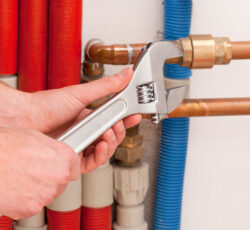 Industrial facilities and warehouses are complex structures that require careful planning and consideration when it comes to their plumbing systems. From providing adequate water supply and drainage to ensuring the safety and efficiency of the overall operation, there are several key factors that need to be taken into account.
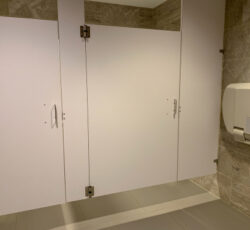 When it comes to designing and outfitting commercial restrooms, selecting the right plumbing fixtures is crucial for ensuring functionality, durability, and cost-effectiveness. A well-designed restroom that meets the needs of its users can enhance the overall experience and satisfaction of customers, employees, or visitors. Whether you are renovating an existing restroom or starting from scratch, here are some key factors to consider when choosing
 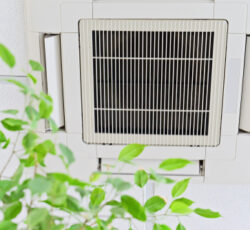 As employers, we want our employees to be productive and motivated. However, one often overlooked factor that significantly affects productivity is the quality of the indoor air in commercial spaces. Poor indoor air quality can lead to various health issues and discomfort, ultimately impacting employee performance. In this blog post, we will explore the importance of indoor air quality and how it influences employee productivity in commercial spaces.