As a property manager, one of your top priorities is ensuring that all aspects of the building are well-maintained, including the plumbing system. Proper plumbing maintenance not only prevents costly repairs but also keeps tenants satisfied and the property in excellent condition. In this blog post, we will provide you with a comprehensive commercial plumbing maintenance checklist to help you stay on top of your responsibilities and ensure a smooth and efficient plumbing system for your property.
1. Regular Inspections:
Regular inspections are crucial for identifying any potential plumbing issues before they escalate into major problems. Schedule routine inspections of all plumbing fixtures, including faucets, toilets, sinks, and water heaters. Look for signs of leaks, corrosion, or water damage. Additionally, check the water pressure and drainage performance to ensure they meet the required standards. If you notice any issues, address them promptly to prevent further damage.
2. Drain Cleaning:
Clogged drains can lead to backups, foul odors, and water damage, causing significant inconveniences for your tenants. Implement a routine drain cleaning schedule to prevent blockages from occurring. Professional drain cleaning services can help remove any buildup or debris, ensuring optimal drain performance. Additionally, encourage tenants to dispose of waste properly and provide guidelines on what should not be flushed or poured down drains to minimize the risk of clogs.
3. Water Heater Maintenance:
Water heaters are an essential component of any commercial property. Conduct regular maintenance checks on water heaters to ensure they are functioning efficiently. Flush the water heater annually to remove sediment buildup, which can reduce its efficiency and lifespan. Check the pressure relief valve and test the temperature settings. If you notice any signs of leaks or unusual noises, promptly repair or replace the unit to avoid disruptions.
4. Grease Trap Cleaning:
For properties with commercial kitchens or food establishments, regular grease trap cleaning is essential. Grease traps are designed to capture fats, oils, and grease (FOG) that can otherwise clog drains and sewer lines. Schedule regular grease trap cleanings to prevent buildup and maintain the proper functioning of the trap. Educate tenants about the importance of properly disposing of FOG to minimize the risk of blockages and costly repairs.
5. Backflow Prevention:
Backflow prevention is crucial for maintaining the safety and quality of the potable water supply within your property. Test and inspect backflow prevention devices annually to ensure they are working effectively. Backflow devices prevent the reverse flow of water from contaminated sources into the drinking water supply. Regular maintenance and testing are necessary to comply with local regulations and prevent potential health hazards.
6. Pipe Insulation:
Insulating pipes can protect them from freezing during colder months, reducing the risk of burst pipes and water damage. Inspect the insulation on exposed pipes regularly and replace any damaged or missing insulation promptly. Additionally, insulate pipes located in unheated areas, such as basements or crawl spaces, to maintain a consistent temperature and prevent frozen pipes.
7. Emergency Preparedness:
Having an emergency plan in place is essential for minimizing damage and ensuring the safety of your property and tenants during plumbing emergencies. Identify shut-off valves for water supply and educate your staff and tenants on their locations. Conduct regular drills to familiarize everyone with the emergency procedures. Additionally, maintain a list of reliable emergency plumbers who can quickly respond to any urgent plumbing issues.
Conclusion:
Implementing a comprehensive commercial plumbing maintenance checklist is vital for property managers to ensure a well-functioning plumbing system and a comfortable environment for their tenants. Regular inspections, drain cleaning, water heater maintenance, grease trap cleaning, backflow prevention, pipe insulation, and emergency preparedness are key components of an effective plumbing maintenance plan. By staying proactive and addressing any plumbing issues promptly, property managers can prevent costly repairs, maintain tenant satisfaction, and preserve the overall condition and value of their properties.
Got Questions? Let Us Help!
Established in 1987, B & H Mechanical, Inc. is a contracting company located in Las Cruces, New Mexico. The services we provide include plumbing, air conditioning, and heating repair and maintenance throughout the states of New Mexico and Texas. As a licensed company with over 30 years of experience, we uphold knowledge, quality, and performance as the backbones of our company. Contact us today for your contracting needs!
Plumbing is an essential component of any commercial building, providing a reliable water supply and efficient drainage system. However, like any other infrastructure, plumbing systems can experience wear and tear over time, leading to leaks, clogs, and other issues. To avoid costly repairs and disruptions to daily operations, it is important to stay proactive and schedule regular plumbing inspections. In this blog post, we will discuss some of the signs that indicate your commercial building needs a plumbing inspection.
1. Slow Draining
One common sign that your commercial building may require a plumbing inspection is slow draining. If sinks, toilets, or drains are taking longer than usual to empty or if you notice gurgling sounds when the water is draining, it could be an indication of a blockage or clog in the plumbing system. Slow draining can be caused by a buildup of debris, grease, or even tree roots infiltrating the underground pipes. A plumbing inspection can help identify the cause of the slow draining and provide effective solutions to resolve the issue before it leads to more significant problems.
2. Low Water Pressure
Another sign that your commercial building’s plumbing system needs attention is low water pressure. If you notice a decrease in water pressure when using taps or showerheads, it could indicate a problem with the pipes or valves. Mineral deposits, pipe corrosion, or a hidden leak could be restricting the water flow, resulting in reduced pressure. A plumbing inspection can pinpoint the cause of low water pressure and allow for necessary repairs or replacements to restore optimal water pressure.
3. Unusual Smells
Unpleasant odors emanating from drains or bathrooms are not only bothersome but may also indicate a plumbing problem. A foul smell coming from drains could be a sign of a clog or a buildup of organic matter in the pipes. Similarly, if you detect a strong sewage odor, it could suggest a sewer line issue, such as a broken or damaged pipe. A plumbing inspection can help identify the source of the odor and address the underlying problem, ensuring a fresh and hygienic environment.
4. Water Leaks
Visible water leaks are an obvious sign that your commercial building needs a plumbing inspection. Leaks can occur in pipes, faucets, toilets, or water-using appliances. Look for signs of water pooling, damp spots, or mold growth on walls, ceilings, or floors. Even a small leak can lead to significant water damage and mold growth if left untreated. A plumbing inspection can quickly identify the source of the leak and provide timely repairs, preventing further damage and potential disruptions to your business.
5. High Water Bills
If your water bills have suddenly skyrocketed without any noticeable increase in water usage, it could be an indication of a hidden water leak. Undetected leaks, such as those behind walls or underground, can go unnoticed for a long time, resulting in excessive water consumption and inflated bills. A plumbing inspection can help locate hidden leaks, whether through visual inspection or by utilizing specialized tools such as leak detection equipment. Identifying and repairing hidden leaks will not only save water but also reduce your utility costs.
6. Aging Infrastructure
If your commercial building has an aging plumbing system, it is prudent to schedule regular inspections to proactively address potential issues. Over time, pipes can deteriorate, leading to leaks, corrosion, or even bursting. Additionally, outdated plumbing fixtures and fittings may not meet current standards, compromising water efficiency and functionality. By conducting regular inspections, you can identify and address any areas that require repair, replacement, or upgrades, ensuring that your plumbing system remains reliable and up to code.
Conclusion
Regular plumbing inspections are crucial for maintaining a well-functioning plumbing system in your commercial building. By paying attention to signs such as slow draining, low water pressure, unusual smells, water leaks, high water bills, and aging infrastructure, you can identify when it is time to call in professional plumbers for an inspection. Early detection and prompt repairs can prevent small issues from escalating into major plumbing emergencies. So, don’t wait for problems to arise – be proactive and schedule regular plumbing inspections to keep your commercial building’s plumbing in top-notch condition.
Got Questions? Let Us Help!
Established in 1987, B & H Mechanical, Inc. is a contracting company located in Las Cruces, New Mexico. The services we provide include plumbing, air conditioning, and heating repair and maintenance throughout the states of New Mexico and Texas. As a licensed company with over 30 years of experience, we uphold knowledge, quality, and performance as the backbones of our company. Contact us today for your contracting needs!
Commercial buildings are prone to various plumbing issues. From leaky faucets to burst pipes, these problems can disrupt business operations and cost a lot of money to fix. In this blog post, we will discuss some of the most common commercial plumbing issues and provide tips on how to prevent them.
1. Clogged Drainage System:
A clogged drainage system is a common plumbing problem that can occur in commercial buildings. It is often caused by the accumulation of debris, grease, and other solid materials in the pipes. This can result in slow draining sinks, toilets, and showers, leading to inconvenience for employees and customers alike.
To prevent clogged drainage systems, regular maintenance is crucial. Installing drain screens and traps can help catch debris and prevent them from entering the pipes. Educate employees about what should and should not be disposed of down the drains. Additionally, scheduling periodic drain cleaning by professional plumbers can clear any build-up before it becomes a major issue.
2. Leaky Faucets and Toilets:
Leaky faucets and toilets not only waste water but also increase utility bills for commercial buildings. Even a small leak can result in significant water wastage over time. Ignoring these leaks can also cause damage to the surrounding fixtures and infrastructure.
Regular inspection and maintenance of faucets and toilets is essential. Replace worn-out washers, gaskets, and other components that are causing the leaks. Encourage employees to report any leaks promptly, so they can be fixed without delay. Installing water-efficient fixtures can reduce the chances of leaks and save water in the long run.
3. Burst Pipes:
Burst pipes are a nightmare for any commercial building. They can cause extensive property damage, disrupt business activities, and require immediate attention from professional plumbers. Burst pipes usually occur due to freezing temperatures, excessive water pressure, or corroded pipes.
Preventing burst pipes starts with proper insulation. Ensure all exposed pipes are properly insulated to protect them from freezing temperatures during winter. Regularly monitor water pressure to ensure it does not exceed recommended levels. Any signs of corrosion on pipes should be addressed immediately to prevent pipe bursts. Investing in regular plumbing inspections can help identify potential issues before they escalate into major problems.
4. Water Heater Issues:
Water heaters are integral to many commercial operations. Whether it’s for a restaurant, hotel, or office building, a malfunctioning water heater can disrupt business activities, inconvenience employees, and upset customers. Common water heater problems include leakage, insufficient hot water, and noisy operation.
To prevent water heater issues, routine maintenance is key. Regularly check for any leaks or signs of corrosion in the tank and connections. Flush the tank periodically to remove sediment buildup, which can affect the efficiency of the heater. Consider investing in a water softener if your area has hard water, as mineral deposits can accelerate wear and tear of the water heater.
Conclusion:
Plumbing issues in commercial buildings can be costly, disruptive, and frustrating. By implementing preventive measures and investing in regular maintenance, many of these problems can be avoided. From clogged drainage systems to leaky faucets, taking proactive steps can save your business time, money, and headaches in the long run. Remember, it is always better to be proactive and address any plumbing issues before they escalate into major crises.
Got Questions? Let Us Help!
Established in 1987, B & H Mechanical, Inc. is a contracting company located in Las Cruces, New Mexico. The services we provide include plumbing, air conditioning, and heating repair and maintenance throughout the states of New Mexico and Texas. As a licensed company with over 30 years of experience, we uphold knowledge, quality, and performance as the backbones of our company. Contact us today for your contracting needs!
Commercial HVAC systems are essential components of any commercial building, responsible for maintaining a comfortable and productive working environment. However, just like any other mechanical system, these HVAC units are prone to various problems that can lead to inefficiency, higher energy costs, and even complete breakdowns. In this blog post, we will highlight some of the most common commercial HVAC problems and provide preventative measures to ensure the smooth functioning of these systems.
1. Dirty Air Filters:
One of the most prevalent HVAC problems in commercial buildings is dirty air filters. Over time, these filters can become clogged with dirt, dust, and debris, obstructing airflow and reducing the system’s efficiency. Regularly changing or cleaning air filters is crucial to prevent this problem. It is recommended to inspect and clean filters every month and replace them every three to six months, depending on the usage.
2. Refrigerant Leaks:
Refrigerant leaks are not only harmful to the environment but also cause your HVAC system to work harder and consume more energy. Common signs of a refrigerant leak include insufficient cooling or heating, ice formation on evaporator coils, and increased energy bills. Regular maintenance check-ups and leak inspections should be conducted to identify and repair any leaks promptly. Additionally, preventive measures such as installing refrigerant leak detectors and ensuring proper insulation can help prevent leaks from occurring.
3. Thermostat Issues:
Malfunctioning thermostats can lead to inconsistent temperatures, discomfort, and unnecessary energy wastage. Problems like inaccurate temperature readings, unresponsive controls, or faulty sensors can significantly affect your HVAC system’s performance. To prevent thermostat issues, regular calibration and testing of thermostat controls should be done. Upgrading to programmable thermostats can also enhance efficiency and provide better control over temperature settings.
4. Lack of Maintenance:
Commercial HVAC systems require regular maintenance to ensure optimal performance and longevity. Neglecting routine maintenance can result in poor indoor air quality, decreased energy efficiency, and frequent breakdowns. It is crucial to schedule professional maintenance checks on a regular basis, including inspections, cleaning, lubrication, and system tune-ups. Proper maintenance not only prevents major HVAC problems but also saves on repair costs and extends the lifespan of your system.
5. Electrical Problems:
Electrical issues are another common cause of HVAC problems in commercial buildings. These include blown fuses, tripped circuit breakers, faulty wiring, or malfunctioning capacitors. Electrical problems can cause the HVAC system to shut down or operate inefficiently. Regular inspections and testing of electrical connections, as well as timely repairs or replacements of faulty components, can help prevent electrical problems and ensure the smooth functioning of your HVAC system.
6. Improper Ventilation:
Proper ventilation is essential for maintaining good air quality and preventing the growth of mold and bacteria. Insufficient airflow can result in stuffy, uncomfortable spaces and health issues for occupants. Regularly inspecting and cleaning ducts, dampers, and vents, as well as ensuring proper insulation and sealing, can help prevent ventilation problems. Installing air purifiers and dehumidifiers can also aid in maintaining optimal indoor air quality.
7. Overworking HVAC Systems:
In commercial settings, HVAC systems often face excessive demands due to the size of the building or occupants’ activities. Overworking the HVAC system can lead to premature wear and tear, reduced efficiency, and higher energy costs. Implementing energy-saving measures such as insulation upgrades, installing energy-efficient windows, and using zoning systems can help distribute the workload evenly and prevent unnecessary strain on the HVAC system.
Conclusion:
The prevention of common commercial HVAC problems requires regular maintenance, prompt repairs, and the implementation of energy-saving measures. By addressing issues such as dirty air filters, refrigerant leaks, thermostat problems, lack of maintenance, electrical issues, improper ventilation, and overworking HVAC systems, you can ensure the optimal functioning of your commercial HVAC system. Remember that investing in prevention will save you from costly repairs and provide a comfortable environment for your employees and customers.
Got Questions? Let Us Help!
Established in 1987, B & H Mechanical, Inc. is a contracting company located in Las Cruces, New Mexico. The services we provide include plumbing, air conditioning, and heating repair and maintenance throughout the states of New Mexico and Texas. As a licensed company with over 30 years of experience, we uphold knowledge, quality, and performance as the backbones of our company. Contact us today for your contracting needs!
When it comes to saving money and reducing our impact on the environment, every little effort counts. One area where we can make a significant difference is in our HVAC systems. Heating, ventilation, and air conditioning (HVAC) units consume a substantial amount of energy in our homes and offices. However, with the advent of energy-efficient technologies, we now have the opportunity to save both money and the environment. In this blog post, we will explore some of the most innovative energy-efficient HVAC solutions that can benefit both homeowners and businesses.
1. Programmable Thermostats:
A programmable thermostat is a game-changer when it comes to optimizing energy consumption. These thermostats allow you to schedule temperature adjustments throughout the day, ensuring that your HVAC system only operates when necessary. For example, you can set the thermostat to automatically lower the temperature during the night when you’re asleep or raise it shortly before you wake up. By doing so, you can save up to 10% per year on heating and cooling costs.
2. High-Efficiency HVAC Units:
Investing in high-efficiency HVAC units can have a significant impact on both your energy bills and the environment. These units are designed to operate with minimal energy consumption while providing optimal results. Look for units with Energy Star certification, as they meet strict efficiency guidelines set by the U.S. Environmental Protection Agency. Energy Star units not only consume less energy but also reduce greenhouse gas emissions, helping to combat climate change.
3. Geothermal Heating and Cooling Systems:
Geothermal heating and cooling systems are a cutting-edge HVAC solution that utilizes the earth’s natural heat. This technology taps into the stable temperatures underground, providing a highly efficient way to heat and cool your space. Geothermal systems can operate with up to 50% less electricity consumption than conventional systems. While the initial installation costs may be higher, the long-term energy savings and environmental benefits make geothermal systems a worthwhile investment.
4. Air Duct Sealing and Insulation:
Leaky air ducts can significantly impact the efficiency of your HVAC system, leading to wasted energy and increased utility bills. Proper air duct sealing and insulation can help prevent air leaks, ensuring that conditioned air reaches its intended destination. By sealing leaks and adding insulation, you can reduce energy loss and improve overall system performance, resulting in lower operating costs and a more comfortable environment.
5. Heat Recovery Ventilation (HRV) Systems:
Heat Recovery Ventilation (HRV) systems are designed to recover the heat from outgoing air and use it to preheat the incoming fresh air. By doing so, HRV systems maximize energy efficiency and minimize heat loss. These systems are particularly beneficial in climates where indoor air quality is crucial, as they help circulate fresh air while reducing the need for excessive heating or cooling. HRV systems promote a healthier and more energy-efficient living or working environment.
Conclusion:
Energy-efficient HVAC solutions are no longer a luxury; they have become a necessity. By embracing technologies such as programmable thermostats, high-efficiency HVAC units, geothermal systems, air duct sealing, and HRV systems, we can significantly reduce energy consumption, save money on utility bills, and protect the environment. Whether you are a homeowner looking to optimize energy use within your space or a business owner seeking greener alternatives, investing in energy-efficient HVAC solutions is a win-win situation for all. Let’s take advantage of these innovations and make a positive impact on our wallets and the world around us.
Got Questions? Let Us Help!
Established in 1987, B & H Mechanical, Inc. is a contracting company located in Las Cruces, New Mexico. The services we provide include plumbing, air conditioning, and heating repair and maintenance throughout the states of New Mexico and Texas. As a licensed company with over 30 years of experience, we uphold knowledge, quality, and performance as the backbones of our company. Contact us today for your contracting needs!


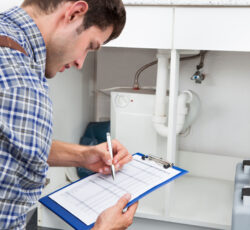 As a property manager, one of your top priorities is ensuring that all aspects of the building are well-maintained, including the plumbing system. Proper plumbing maintenance not only prevents costly repairs but also keeps tenants satisfied and the property in excellent condition. In this blog post, we will provide you with a comprehensive commercial plumbing maintenance checklist to help you stay on top of your responsibilities and ensure a smooth and efficient plumbing system for your property.
 Plumbing is an essential component of any commercial building, providing a reliable water supply and efficient drainage system. However, like any other infrastructure, plumbing systems can experience wear and tear over time, leading to leaks, clogs, and other issues. To avoid costly repairs and disruptions to daily operations, it is important to stay proactive and schedule
 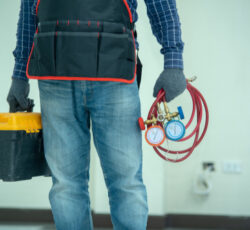 Commercial buildings are prone to various plumbing issues. From leaky faucets to burst pipes, these problems can disrupt business operations and cost a lot of money to fix. In this blog post, we will discuss some of the most common commercial plumbing issues and provide tips on how to prevent them.
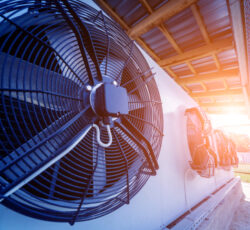 Commercial HVAC systems are essential components of any commercial building, responsible for maintaining a comfortable and productive working environment. However, just like any other mechanical system, these HVAC units are prone to various problems that can lead to inefficiency, higher energy costs, and even complete breakdowns. In this blog post, we will highlight some of the most common commercial HVAC problems and provide preventative measures to ensure the smooth functioning of these systems.
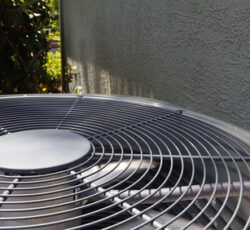 When it comes to saving money and reducing our impact on the environment, every little effort counts. One area where we can make a significant difference is in our HVAC systems. Heating, ventilation, and air conditioning (HVAC) units consume a substantial amount of energy in our homes and offices. However, with the advent of energy-efficient technologies, we now have the opportunity to save both money and the environment. In this blog post, we will explore some of the most innovative energy-efficient HVAC solutions that can benefit both homeowners and businesses.